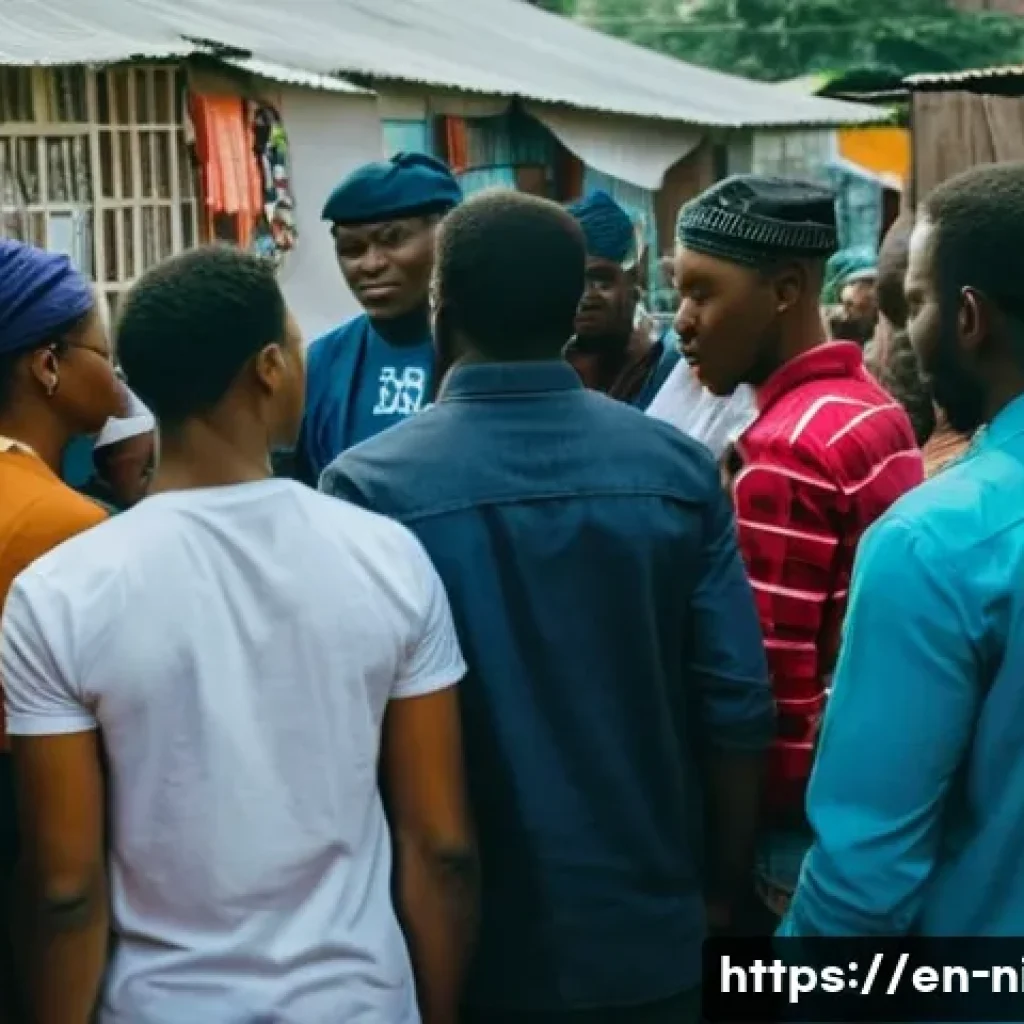
Navigating the landscape of LGBT rights in Nigeria reveals a complex and often challenging reality. Despite global progress in recognizing and protecting sexual minorities, Nigeria maintains some of the strictest laws against LGBT individuals, deeply influenced by cultural, religious, and social norms.
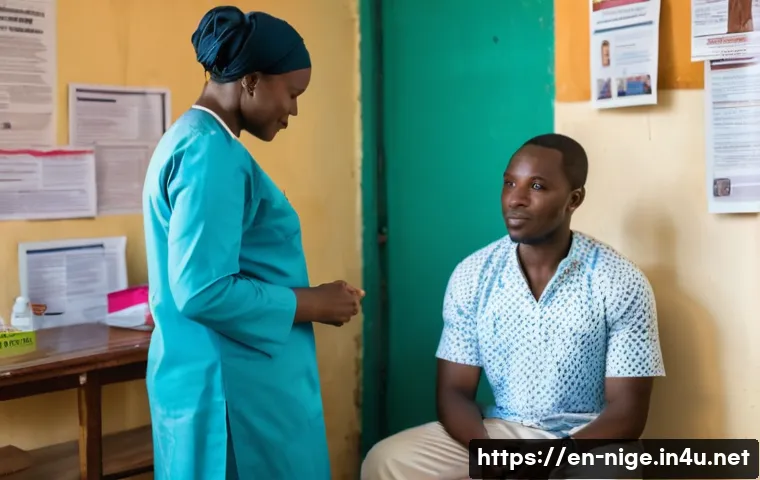
This environment has led to widespread discrimination, legal penalties, and limited access to basic rights for the LGBT community. Yet, there are resilient voices and grassroots movements striving to foster change and promote human dignity.
Understanding these dynamics is crucial for anyone interested in human rights and social justice within the region. Let’s dive deeper to uncover the full picture and what it means for the future.
Legal Environment and Its Impact on Daily Life
Strict Laws and Their Enforcement
Nigeria’s legal framework is notoriously harsh when it comes to LGBT rights. The Same-Sex Marriage (Prohibition) Act of 2014 criminalizes not only same-sex marriage but also public displays of same-sex relationships and membership in LGBT organizations.
The penalties can be severe, including up to 14 years in prison. From personal experience talking to activists and individuals living under these laws, the fear of legal repercussions is palpable.
Many avoid seeking medical care or legal help out of concern that their sexual orientation might be exposed. This environment creates a constant tension between living authentically and staying safe.
Impact on Access to Services
Because of the legal restrictions, many LGBT individuals face discrimination when accessing healthcare, education, or employment. Clinics may refuse treatment for fear of association with LGBT patients, and schools often do not provide a safe space for LGBT students.
Employers, too, may discriminate either overtly or covertly, limiting economic opportunities. I’ve seen firsthand how this exclusion drives many into the shadows, increasing vulnerability to mental health issues and economic instability.
Without legal protections, these barriers are hard to overcome.
Social Surveillance and Community Pressure
Beyond the law, social norms heavily influence the lives of LGBT people in Nigeria. Communities tend to be tightly knit and heavily influenced by religious and cultural beliefs that condemn homosexuality.
This creates an atmosphere of social surveillance where neighbors, family members, and even friends may police behavior or report suspected LGBT individuals.
I’ve heard heartbreaking stories from people who have been ostracized or disowned, which often leads to isolation and increased risk of violence. The social stigma is as much a barrier as the legal one.
Grassroots Movements and Emerging Voices
Local Advocacy Groups
Despite the oppressive environment, there are courageous grassroots organizations working tirelessly to support LGBT Nigerians. Groups like The Initiative for Equal Rights (TIERs) and others provide legal aid, health services, and safe spaces for community members.
Their work is often underground due to the risk of government crackdowns, but their impact is significant. I’ve had conversations with activists who describe their efforts as a balancing act between visibility and safety—pushing for change while protecting their members from harm.
Community-Led Support Networks
Apart from formal organizations, informal networks of friends and allies play a crucial role in resilience. These networks often offer emotional support, financial assistance, or help in navigating hostile environments.
For many LGBT Nigerians, these connections are lifelines. In talking with individuals within these networks, it’s clear that trust and discretion are paramount.
The sense of solidarity in the face of adversity is inspiring and underscores the strength of human connection.
International Solidarity and Challenges
International human rights groups and foreign governments have expressed concern and provided support to Nigerian LGBT activists. However, this external involvement is a double-edged sword; sometimes it provokes nationalist backlash or accusations of cultural imperialism.
Local activists often walk a tightrope, balancing the benefits of international aid with the need to maintain legitimacy within their communities. This dynamic shapes the strategies and messaging of advocacy efforts in complex ways.
Religious and Cultural Influences on Perceptions
Role of Religion in Shaping Attitudes
Nigeria’s population is deeply religious, with Christianity and Islam playing dominant roles in shaping societal values. Both religious communities largely view homosexuality as incompatible with their teachings, which heavily influences public opinion and policy.
From attending community forums and religious gatherings, I’ve noticed how faith leaders often set the tone for the conversation around LGBT issues, reinforcing negative stereotypes and justifying exclusion.
This makes changing hearts and minds an uphill battle.
Traditional Cultural Norms and Family Expectations
Beyond religion, traditional cultural expectations emphasize conformity to heterosexual marriage and procreation. Many families see LGBT identities as a threat to lineage and social cohesion.
I’ve met individuals who have faced intense pressure from relatives to marry opposite-sex partners or undergo so-called “conversion” efforts. The fear of disappointing family or losing social standing often forces people into hiding or forced marriages, causing emotional trauma and identity suppression.
Intersection of Religion, Culture, and Law
The overlap of religious beliefs, cultural norms, and legal frameworks creates a powerful trifecta that maintains the status quo. This intersection reinforces discriminatory practices across multiple societal levels.
When laws echo religious and cultural disapproval, it legitimizes discrimination in everyday life, making it difficult for LGBT Nigerians to find safe spaces or allies.
Understanding this complex web is essential to grasp why progress remains so slow despite ongoing activism.
Health and Well-being Challenges
Mental Health Struggles
Living in a hostile environment takes a significant toll on mental health. Anxiety, depression, and trauma are common among LGBT individuals facing rejection, violence, or fear of arrest.
I recall a conversation with a mental health counselor who shared how many LGBT clients struggle with isolation and hopelessness. Unfortunately, mental health services are scarce and often not tailored to the unique needs of sexual minorities, compounding the problem.
Barriers to Healthcare Access
HIV/AIDS remains a major public health concern in Nigeria, and LGBT individuals are disproportionately affected. Yet, stigma and discrimination in healthcare settings discourage many from seeking testing or treatment.
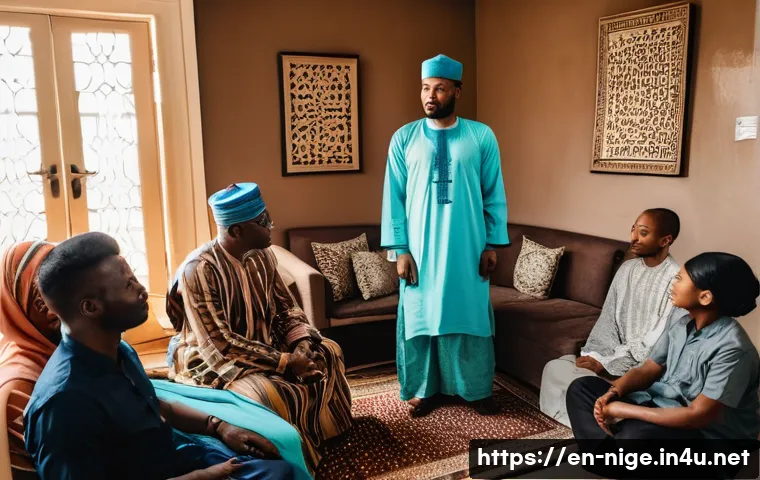
I’ve witnessed how fear of exposure or judgment can delay critical care, worsening health outcomes. Efforts by NGOs to provide confidential and inclusive services have helped, but systemic barriers persist.
Risks of Violence and Safety Concerns
Physical violence against LGBT people, including hate crimes and mob attacks, is a constant threat. Safety concerns restrict freedom of movement and expression.
Through interviews with survivors, I learned how difficult it is to report violence to authorities who may be unsympathetic or complicit. This climate of fear forces many to live double lives or relocate, disrupting their social networks and livelihoods.
Economic and Educational Barriers
Employment Discrimination and Economic Hardship
Without legal protections, LGBT Nigerians face discrimination in hiring, promotion, and workplace treatment. This often results in underemployment or unemployment.
I’ve spoken with individuals who have had to hide their identity at work or accept lower-paying, less stable jobs to avoid discrimination. The economic insecurity feeds into a cycle of poverty and vulnerability, making it harder to access healthcare or safe housing.
Challenges in Educational Settings
LGBT students often confront bullying, harassment, and exclusion in schools. Many avoid reporting these issues due to fear of retaliation or expulsion.
I know of cases where students were forced to leave school because their sexual orientation was discovered, cutting off opportunities for personal and professional growth.
Safe and inclusive education remains a critical unmet need.
Informal Economy and Survival Strategies
Due to systemic exclusion, many LGBT individuals turn to informal economies or underground work for survival. While these strategies provide income, they often lack security or legal protections.
I’ve learned from community members about the risks involved, including exploitation and violence. Economic marginalization thus compounds vulnerabilities in multiple ways.
Pathways Toward Change and Hope
Incremental Legal Advocacy
Though progress is slow, some legal advocates are pushing for reforms through strategic litigation and awareness campaigns. These efforts aim to challenge discriminatory laws and improve protections, even if initial victories are limited.
I’ve attended webinars where lawyers and activists shared cautious optimism that gradual shifts might be possible with sustained pressure.
Building Inclusive Communities
Creating safe spaces and fostering acceptance within families and local communities is a powerful form of change. Programs that engage religious leaders, educators, and youth in dialogue about diversity have shown promise.
From personal observation, these grassroots approaches often create the most meaningful and lasting impact by changing perceptions one person at a time.
Leveraging Technology and Social Media
Digital platforms provide vital channels for connection, advocacy, and education. Social media allows LGBT Nigerians to share stories, organize events, and access resources discreetly.
I’ve seen how online communities offer hope and solidarity, especially for those in remote areas. However, digital surveillance and cyberbullying remain risks that activists must navigate carefully.
| Aspect | Challenges | Current Efforts | Potential Solutions |
|---|---|---|---|
| Legal | Criminalization, harsh penalties, lack of protections | Strategic litigation, legal aid by NGOs | Law reform, international pressure, local advocacy |
| Social | Stigma, family rejection, religious condemnation | Community dialogues, safe spaces, education programs | Inclusive policies, interfaith engagement, awareness campaigns |
| Health | Limited access, discrimination, mental health issues | NGO-led clinics, counseling services, HIV outreach | Training healthcare workers, confidential services, funding |
| Economic/Educational | Discrimination, underemployment, school bullying | Informal support networks, scholarships, advocacy | Anti-discrimination laws, inclusive curricula, job programs |
글을 마치며
The complex interplay of legal restrictions, social stigma, and cultural pressures deeply affects the daily lives of LGBT individuals in Nigeria. Despite these challenges, courageous activists and supportive communities continue to push for change and hope. By understanding the layers of discrimination and resilience, we can better appreciate the ongoing struggle and the paths toward a more inclusive future.
알아두면 쓸모 있는 정보
1. Nigeria’s Same-Sex Marriage (Prohibition) Act criminalizes not only marriage but also public support and association with LGBT groups, with penalties reaching up to 14 years in prison.
2. Social stigma and religious beliefs heavily influence community attitudes, often resulting in family rejection and social isolation for LGBT individuals.
3. Access to healthcare and education is frequently compromised for LGBT people due to discrimination and fear of exposure.
4. Grassroots organizations and informal support networks play a crucial role in providing legal aid, health services, and emotional support despite operating under threat.
5. International support offers resources but must be balanced carefully with local sensitivities to avoid backlash or accusations of external interference.
핵심 포인트 요약
Legal prohibitions and harsh enforcement create a climate of fear and exclusion for Nigeria’s LGBT population. Social and religious norms compound these challenges by fostering stigma and discrimination within families and communities. Despite limited access to essential services like healthcare and education, resilient grassroots movements and community networks provide vital support. Progress remains slow but ongoing advocacy, inclusive dialogue, and technology-driven connections offer hopeful avenues for change and greater acceptance in the future.
Frequently Asked Questions (FAQ) 📖
Q: What are the main legal challenges faced by LGBT individuals in Nigeria?
A: In Nigeria, LGBT individuals face severe legal challenges due to laws that criminalize same-sex relationships. The Same-Sex Marriage Prohibition Act, enacted in 2014, not only bans same-sex marriage but also penalizes public displays of same-sex affection and membership in LGBT organizations.
Violations can result in harsh prison sentences, sometimes up to 14 years. This legal environment creates a climate of fear and forces many to hide their identities, limiting their access to healthcare, employment, and social services.
Q: How do cultural and religious beliefs influence attitudes toward the LGBT community in Nigeria?
A: Cultural and religious beliefs play a significant role in shaping negative attitudes toward LGBT individuals in Nigeria. Predominantly influenced by conservative Christian and Muslim values, many communities view homosexuality as immoral or unnatural.
This deeply ingrained perspective leads to widespread social stigma, discrimination, and even violence against LGBT people. Families may reject members who come out, and societal pressure often discourages open conversations about sexual orientation and gender identity.
Q: Are there any efforts or organizations working to improve LGBT rights in Nigeria despite these challenges?
A: Yes, despite the hostile environment, there are courageous activists and grassroots organizations working tirelessly to advocate for LGBT rights in Nigeria.
These groups often operate discreetly due to legal risks but provide crucial support such as counseling, safe spaces, and legal aid. International human rights organizations also collaborate with local activists to raise awareness and push for reform.
While progress is slow and fraught with obstacles, these efforts are vital for advancing human dignity and fostering hope for a more inclusive future.