Nigeria, often called the ‘Giant of Africa,’ truly holds a special place in my heart, with its vibrant culture and incredible natural beauty. But lately, when I think about this amazing country, my thoughts often drift to a more serious topic: the escalating environmental crisis that’s quietly, yet profoundly, impacting millions of lives and threatening its future.
It’s not just about distant headlines anymore; these are issues that hit home for everyday Nigerians, from the bustling streets of Lagos to the serene Niger Delta creeks.
I’ve been diving deep into what’s really happening on the ground, and honestly, some of the findings are heartbreaking. We’re talking about the devastating long-term effects of oil pollution that still cripple communities in the Niger Delta, destroying livelihoods and posing severe health risks that persist for generations.
Then there’s the alarming rate of deforestation, turning lush landscapes into barren land, accelerating climate change, and leading to more intense floods and droughts across the country.
And who can ignore the sheer volume of waste that chokes our cities and waterways? With new policies like the federal ban on single-use plastics coming in 2025, it feels like we’re finally seeing some action, but the scale of the problem is truly immense, impacting everything from our air quality, which is dangerously poor in many urban centers, to the very water we drink.
This isn’t just an abstract ‘environmental problem’; it’s a crisis that directly affects health, food security, and the future prosperity of a nation.
It makes you wonder, what can we do, and what will Nigeria look like in the years to come if these trends continue? I’ve gathered some truly insightful information on these critical environmental challenges, including the latest trends and what experts are predicting for the future.
You’re going to want to hear about this, trust me. Let’s delve into the specifics and explore exactly what’s at stake.
The Lingering Shadow of Crude: A Delta’s Deep Wounds
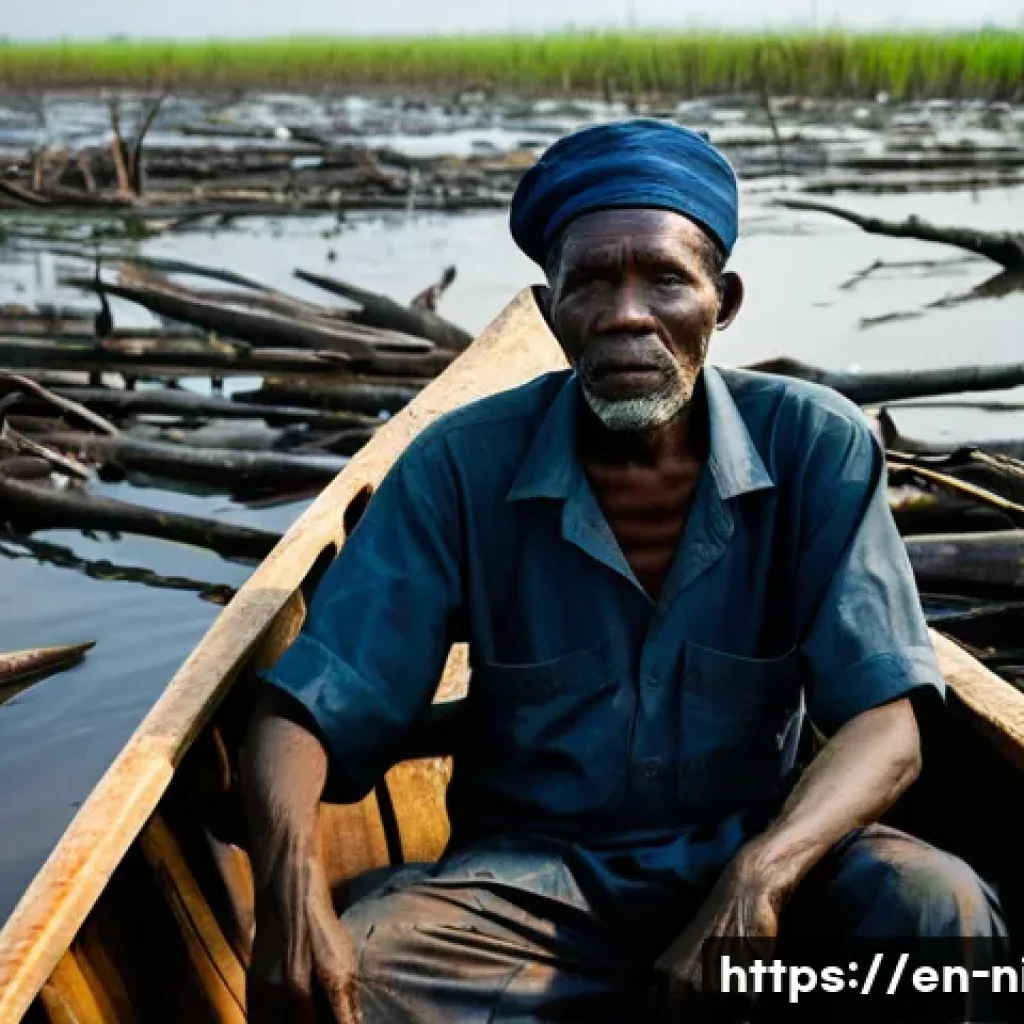
It’s truly heartbreaking to witness the ongoing struggle in the Niger Delta. I’ve heard countless stories, and from what I understand, the environmental devastation here isn’t just a historical footnote; it’s a living, breathing nightmare that continues to unfold daily for millions. Imagine waking up every morning to the smell of crude, seeing your once-vibrant fishing waters coated in a thick, black film, and knowing that your children are breathing air heavy with toxic fumes. This isn’t a scene from a dystopian movie; this is the harsh reality for so many communities in states like Rivers, Bayelsa, and Delta, which are the very heart of Nigeria’s oil wealth. The sheer scale of oil spills, both from operational failures and illicit activities, has transformed what were once fertile lands and bountiful waters into environmental sacrifice zones. I remember talking to an elder from Ogoniland who recounted how their rivers, which used to be teeming with fish, are now barren, leaving entire generations struggling for a livelihood. It’s not just about the immediate economic loss; it’s about a deeply ingrained cultural connection to the land and water that’s been severed. The soil is poisoned, groundwater contaminated, and the long-term health implications for residents exposed to these carcinogens are truly frightening, manifesting in elevated rates of cancer, respiratory illnesses, and birth defects. This isn’t just an issue of resource extraction; it’s a profound human rights and environmental justice crisis that demands immediate and sustained attention. It’s a testament to the resilience of the people there, but also a stark reminder of the cost of our energy consumption.
When the Lifeblood Turns Toxic
Honestly, it’s hard to articulate the full extent of the tragedy without seeing it firsthand. The very lifeblood of these communities, the rivers and creeks that sustained them for centuries, have become conduits for industrial waste and crude oil. Fish species have vanished, mangroves that once protected coastlines and served as vital nurseries for marine life are dying off, leaving communities vulnerable to erosion and storm surges. What really hit me was realizing that it’s not just about acute pollution events. The cumulative effect of decades of spills, some cleaned inadequately, others not at all, means the ecosystem is in a state of chronic illness. This persistent contamination impacts everything from the quality of drinking water to the productivity of agricultural land. Communities once self-sufficient through fishing and farming are now forced to depend on external aid or migrate, tearing at the fabric of their traditional societies. The sheer desperation sometimes leads to dangerous, illegal refining activities, which only exacerbate the problem, creating a vicious cycle of environmental destruction and poverty.
The Hidden Health Tolls
When we talk about environmental degradation, we often focus on visible impacts, but what truly concerns me are the insidious health consequences that silently plague the affected populations. Living in such an environment means constant exposure to heavy metals, hydrocarbons, and other toxins. I’ve read reports and heard doctors speak about the alarming increase in skin lesions, respiratory problems, gastrointestinal disorders, and even reproductive issues among residents. Children are particularly vulnerable, with studies indicating higher rates of birth defects and developmental delays in polluted areas. It’s not always direct contact; simply breathing the air can be detrimental. The “black soot” phenomenon, especially prominent in places like Port Harcourt, serves as a stark reminder of the pervasive air pollution that residents endure daily. This isn’t just an inconvenience; it’s a silent epidemic that shortens lifespans and diminishes the quality of life for an entire generation, making it incredibly difficult for communities to break free from the cycle of poverty and environmental injustice.
Vanishing Verdant Veils: Nigeria’s Deforestation Dilemma
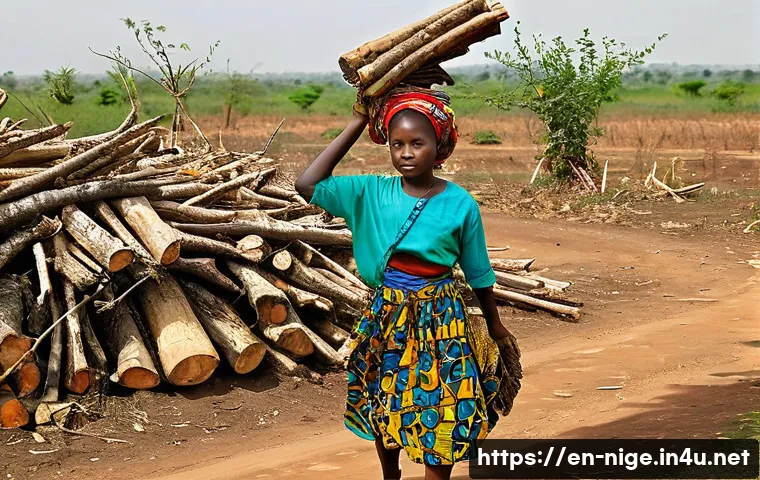
Stepping away from the oil-soaked lands, another equally alarming crisis unfolds across Nigeria’s vast landscape: the rapid disappearance of its forests. From the dense rainforests of the south to the sparse woodlands on the edge of the Sahel, our natural green cover is shrinking at an alarming rate. It truly saddens me to see beautiful, ecologically rich areas being cleared for various reasons, often without sustainable alternatives in place. When I think about this, I often picture the vivid green landscapes I’ve seen in documentaries about Nigeria’s biodiversity, and then I juxtapose that with images of barren, eroded land. This isn’t just about losing pretty trees; it’s about unraveling the very fabric of our ecosystems. Deforestation in Nigeria is primarily driven by agricultural expansion, logging for timber (both legal and illegal), and the overwhelming demand for fuelwood and charcoal, especially in rural areas where alternative energy sources are scarce or unaffordable. As the population grows, so does the pressure on these vital natural resources. I remember visiting a community near a once-forested area, and the residents spoke about how the local climate had changed, with less rainfall and more intense heat, directly attributing it to the loss of their surrounding trees. This isn’t a theory; it’s their lived experience. The ripple effect of this widespread deforestation is devastating, leading to significant soil erosion, loss of invaluable biodiversity, and contributing directly to climate change, making us more vulnerable to extreme weather events.
The Silent Scars on the Land
It really hits home when you see the direct consequences of deforestation. The fertile topsoil, once held firmly by tree roots, is now easily washed away by heavy rains or blown away by wind, leaving behind unproductive land. This process, known as soil erosion, is a major threat to agricultural productivity, especially for a nation heavily reliant on subsistence farming. I’ve heard farmers express their frustration as their yields dwindle each year, making it harder to feed their families and sustain their livelihoods. In the northern parts of the country, deforestation exacerbates desertification, with the Sahara Desert steadily encroaching southward, swallowing up arable land and displacing communities. This isn’t just an abstract ecological process; it’s a direct threat to food security and national stability. Moreover, the loss of these forests means the destruction of critical habitats for countless species, many of which are endemic to Nigeria. We’re losing unique flora and fauna, many of which haven’t even been fully documented or understood, taking with them potential sources of medicine, food, and ecological services that we may never even realize.
Fueling the Fire: The Demand for Wood
One of the most profound drivers of deforestation, particularly for those of us living in Nigeria, is the inescapable reality of energy poverty. Millions of households across the country still rely on wood and charcoal as their primary source of cooking fuel. I can totally understand why; for many, it’s the most accessible and affordable option, especially in rural areas where electricity is non-existent or unreliable, and gas is either too expensive or unavailable. However, this massive demand puts immense pressure on our forests. Every day, countless trees are felled to meet this basic need, often without any corresponding replanting efforts. It’s a classic catch-22 situation: people need fuel to survive, but in meeting that need, they inadvertently contribute to environmental degradation that ultimately harms their long-term well-being. This economic reality underscores the urgent need for sustainable and affordable alternative energy sources, like clean cookstoves or improved access to LPG, to break this destructive cycle. It’s not just about enforcement; it’s about providing viable alternatives for everyday Nigerians.
Choking Cities: The Tidal Wave of Urban Waste
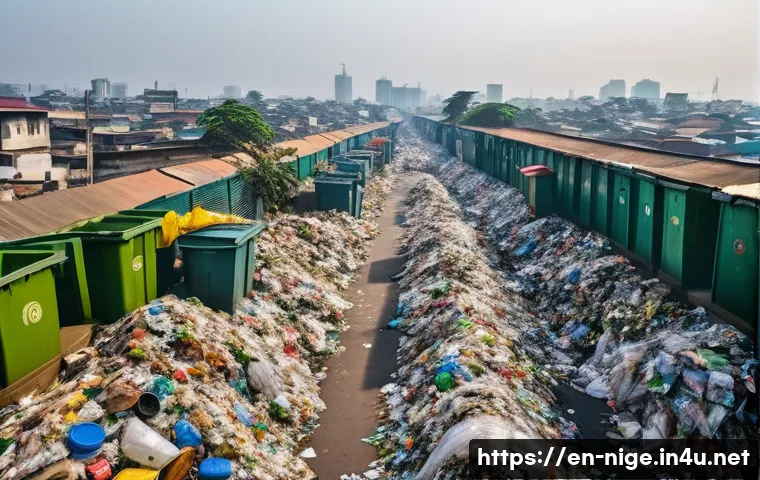
If you’ve ever spent time in any of Nigeria’s bustling metropolises, you’ll know that waste management is a monumental challenge. From the overflowing gutters of Lagos to the roadside heaps in Kano, the sheer volume of refuse generated daily is staggering. It’s something I’ve personally observed, and it really makes you think about the scale of our consumption and disposal habits. The sight of plastic bottles, food wrappers, and all sorts of debris littering our streets, clogging our drains, and choking our waterways is not just an aesthetic issue; it’s a profound public health and environmental crisis. Our waste management infrastructure, where it exists, is often overwhelmed, underfunded, and inefficient, leading to massive backlogs and illegal dumping. I’ve seen how during heavy rains, these clogged drainage systems lead to severe flooding, turning entire neighborhoods into temporary lakes of contaminated water, displacing residents and spreading diseases. The smell alone is enough to deter anyone, but for those living amidst it, it’s a constant source of stress and illness. This isn’t just about governmental failure; it’s also about a lack of public awareness and adequate recycling infrastructure. While the federal ban on single-use plastics coming in 2025 is a commendable step, the challenge of implementing and enforcing it across such a vast and diverse nation will be immense.
The Plastic Pandemic
Honestly, the amount of plastic waste we produce is just mind-boggling. Every time I buy something, I try to think about its packaging, and it’s almost always plastic. From sachet water bags to PET bottles and shopping bags, plastics are ubiquitous in our daily lives because they’re cheap and convenient. However, this convenience comes at a devastating environmental cost. These plastics don’t biodegrade; they just break down into smaller and smaller pieces, called microplastics, which then infiltrate our soil, water, and even the air we breathe. I’ve seen pictures of marine life, especially in coastal areas and rivers, tragically entangled in plastic debris or ingesting it, which ultimately harms them and, eventually, us through the food chain. The Lagos Lagoon, for instance, is a stark example of a once-thriving ecosystem now burdened by an avalanche of plastic waste. This isn’t just a Nigerian problem, of course, but given our population density and consumption patterns, it’s a crisis that we absolutely must address with urgency and innovative solutions. Recycling initiatives are slowly gaining traction, but we need a much larger, coordinated effort to truly make a dent in this plastic pandemic.
Beyond the Landfills: Health Hazards and Air Pollution
It’s easy to think of waste as “out of sight, out of mind” once it’s in a landfill or an illegal dump. But the reality is far more grim. These sites, often poorly managed or completely unregulated, become breeding grounds for disease vectors like rats and flies, spreading illnesses such as cholera, typhoid, and malaria to nearby communities. I’ve often seen informal waste pickers, including children, working in these hazardous conditions, exposing themselves to unimaginable health risks just to eke out a living. But it doesn’t stop there. The common practice of burning waste, whether openly or in informal dumps, releases a cocktail of toxic fumes into the atmosphere, including dioxins, furans, and particulate matter. This contributes significantly to the poor air quality in our urban centers, aggravating respiratory conditions like asthma and contributing to a range of other health issues for anyone living nearby. It really brings home the interconnectedness of these environmental problems: one issue often directly feeds into another, creating a compounding effect on both human health and the environment.
A Breath of Poison: Unmasking Nigeria’s Air Quality Crisis
Speaking of burning waste, that brings me to another deeply personal concern: the quality of the air we breathe every single day, especially in our major cities. Honestly, some days in places like Lagos or Port Harcourt, the air feels visibly heavy, almost tangible with pollutants. It’s not just a feeling; data consistently shows that many Nigerian urban centers frequently rank among the most polluted cities globally. This isn’t something you can easily escape; it’s a constant, invisible threat that impacts every breath we take. The sources of this pervasive air pollution are multi-faceted and deeply ingrained in our daily lives. Think about the incessant traffic jams with old, poorly maintained vehicles spewing black smoke, the widespread use of diesel generators due to unreliable power supply, industrial emissions from factories, and yes, the open burning of waste that I just mentioned. Even cooking with biomass indoors contributes to significant indoor air pollution, especially for women and children. I remember once having a persistent cough after spending a week in a particularly busy part of Lagos, and my friends told me it was just “Lagos air.” It made me realize how normalized this dangerous reality has become for so many. The long-term health consequences of such chronic exposure are truly alarming, ranging from respiratory diseases to cardiovascular problems and even increased risks of certain cancers.
The Daily Grind of Toxic Fumes
It’s truly a complex web of factors that contribute to our deteriorating air quality. When you consider the sheer number of vehicles on our roads, many of which are older models with less stringent emission controls, it’s clear they’re major contributors. And because our public transportation infrastructure is often inadequate, people rely heavily on private cars, motorcycles, and commercial buses, all contributing to the exhaust fumes that blanket our cities. Then there are the millions of small businesses and households that depend on petrol and diesel generators to power their homes and shops during constant power outages. I’ve personally run a generator for hours, and while it’s a necessary evil for productivity, the fumes are undeniable. Add to this the emissions from oil and gas operations, particularly in the Niger Delta, and the industrial activities in our manufacturing hubs, and you have a recipe for severely compromised air. This daily grind of exposure takes a cumulative toll, making every breath potentially harmful, especially for vulnerable populations like children and the elderly.
Silent Sickness: Air Pollution’s Health Impact
When we talk about air pollution, it’s not just about a hazy skyline; it’s about a direct attack on our health. I’ve heard doctors speak about the undeniable link between poor air quality and a surge in respiratory illnesses. We’re talking about a significant increase in cases of asthma, bronchitis, and other chronic lung conditions, especially among children who spend a lot of time outdoors. But it’s not just the lungs; particulate matter, microscopic pollutants, can penetrate deep into our bodies, affecting the cardiovascular system, leading to heart disease, strokes, and even impaired cognitive development in children. The sheer economic burden this places on our healthcare system and on individual families, with lost workdays and medical expenses, is immense. It’s a silent sickness that gradually undermines our national productivity and the overall well-being of our populace. Addressing this requires a multi-pronged approach, from cleaner fuels and improved public transport to promoting renewable energy and enforcing stricter industrial emission standards.
When the Heavens Open and the Earth Cracks: Climate’s Cruel Hand
Beyond the immediate, tangible environmental problems, there’s a larger, more insidious force at play: climate change, which is amplifying every existing challenge. I’ve seen firsthand how erratic weather patterns are becoming the new norm, making life incredibly unpredictable for millions. It truly breaks my heart to see communities that have stood for generations now facing the very real threat of being submerged by floods or swallowed by encroaching deserts. Nigeria is incredibly vulnerable to the impacts of climate change, from rising sea levels along our coastlines to intensified droughts in the north. The severe flooding we’ve witnessed in recent years, particularly in states like Kogi, Anambra, and even parts of Lagos, has been devastating. These aren’t just minor inconveniences; they’re catastrophic events that displace hundreds of thousands, destroy homes, farmlands, and livelihoods, and sadly, often claim lives. I remember seeing images of entire towns underwater, and the despair on people’s faces was palpable. Simultaneously, the northern regions are grappling with prolonged periods of drought, leading to crop failures, livestock deaths, and increased competition over dwindling resources. This isn’t a distant global phenomenon; it’s a very local, very present reality that’s hitting our most vulnerable populations the hardest, pushing more people into poverty and exacerbating existing social tensions. It makes you wonder how much more our communities can endure.
The Deluge: Unprecedented Flooding
It’s truly alarming how much more frequent and severe flooding has become across Nigeria. What used to be “once-in-a-decade” events now seem to happen almost annually. I’ve seen the news reports and read countless accounts of entire communities being submerged, especially those along the Niger and Benue River basins. These floods aren’t just about water; they bring immense destruction: homes are washed away, roads become impassable, and critical infrastructure is damaged, isolating communities. Farmers lose their entire harvests, pushing families into food insecurity and creating ripple effects across the economy. And it’s not just the immediate destruction; the aftermath brings a heightened risk of waterborne diseases like cholera and dysentery as clean water sources become contaminated. The emotional and psychological toll on those who repeatedly lose everything they own is immeasurable. It’s a constant battle against forces that seem increasingly powerful, leaving many wondering if they can ever truly rebuild their lives without the threat of the next flood looming over them.
The Scorching Earth: Drought and Desertification
While some parts of Nigeria battle too much water, others are desperately craving it. In the northern regions, climate change manifests as prolonged droughts and accelerating desertification. I’ve heard stories from pastoralists and farmers who have seen their grazing lands turn to dust and their crops wither and die. This isn’t just a challenge; it’s an existential threat to their traditional ways of life. The shrinking of Lake Chad, a vital water source for millions across the Sahel, is a stark symbol of this crisis. As water resources become scarcer, competition intensifies, sometimes fueling conflicts between different communities. The forced migration of people and livestock in search of water and pasture puts immense pressure on other regions, creating new social and environmental challenges. It’s a cruel irony that as some grapple with excess water, others face its devastating absence, highlighting the uneven and unfair impacts of a changing climate on our diverse nation. This is a battle for survival, and it underscores the urgent need for robust climate adaptation strategies.
Beyond the Headlines: The Everyday Toll on Nigerians
It’s easy to talk about environmental crises in abstract terms, but for me, what truly matters is the everyday impact on real people. These aren’t just statistics; they’re the lives, livelihoods, and futures of millions of Nigerians. When I think about these issues, I don’t just see pollution; I see a mother worrying about her child’s persistent cough, a fisherman whose nets come up empty, or a farmer staring at a parched field. The environmental degradation we’re facing isn’t just an ecological problem; it’s a profound social and economic one. It exacerbates poverty, undermines food security, and displaces communities, creating a cycle of vulnerability that is incredibly hard to break. The cost of healthcare for environment-related illnesses, the loss of income from destroyed farms and fisheries, and the psychological stress of living in constant environmental threat all contribute to a diminished quality of life. It’s a burden that falls disproportionately on the poor and marginalized, who often live in the most vulnerable areas and have the fewest resources to adapt or recover. This isn’t just about preserving nature; it’s about preserving human dignity and ensuring a just future for all Nigerians. We often overlook the mental and emotional toll these crises take; the constant worry, the grief over lost heritage, and the feeling of helplessness can be overwhelming.
Economic Hardship and Displacement
The economic consequences of these environmental challenges are absolutely staggering. I’ve seen communities in the Niger Delta, once thriving on fishing and agriculture, now struggling to survive as their traditional livelihoods have been decimated by oil spills. Fishermen can no longer catch fish, and farmers cannot cultivate poisoned land. This leads to widespread unemployment, increased poverty, and often, forced migration as people seek greener pastures, literally and figuratively. Similarly, in flood-prone areas, repeated destruction of homes and farmlands means constant financial setbacks, pushing families deeper into debt and poverty. The cost of rebuilding, relocating, and adapting to these changes is immense, and for many, it’s simply beyond their means. This displacement also puts enormous pressure on urban centers, where infrastructure is already stretched thin, leading to overcrowding and increased competition for resources. It’s a vicious cycle where environmental damage directly translates into economic hardship and instability, making it incredibly difficult for individuals and communities to thrive.
Health on the Line: A Constant Battle
The most tragic impact, from my perspective, is the direct assault on human health. As I mentioned earlier, whether it’s the insidious toxins from oil pollution, the particulate matter from air pollution, or the pathogens from contaminated water after floods, Nigerians are constantly battling an invisible enemy. The rise in respiratory diseases, waterborne illnesses, and even certain cancers in environmentally degraded areas is not a coincidence; it’s a direct consequence. Children are particularly susceptible, with their developing bodies bearing the brunt of these environmental assaults. Access to adequate healthcare is already a challenge for many, and when you layer on a surge in environment-related illnesses, it creates an unbearable strain on families and the national health system. This isn’t just about treatment; it’s about prevention, and recognizing that a healthy environment is foundational to a healthy populace. It truly makes you reflect on the interconnectedness of our lives with the environment around us.
Sowing Seeds of Change: Towards a Greener Horizon
Despite the daunting scale of these challenges, I genuinely believe that Nigeria is not without hope. What truly inspires me are the countless individuals, communities, and organizations that are actively working towards solutions, often against incredible odds. We’re not powerless in the face of these environmental threats; in fact, there’s immense potential for positive change if we act decisively and collectively. From grassroots efforts to clean up local communities to large-scale policy initiatives, the seeds of a greener, more sustainable future are being sown across the nation. It’s a complex battle, no doubt, requiring a multi-faceted approach that combines effective governance, innovative technologies, community engagement, and international cooperation. But seeing the resilience and determination of Nigerians, I am optimistic. We’re beginning to see a growing awareness, especially among the younger generation, that our environment is not an infinite resource to be exploited but a precious heritage to be protected and nurtured for future generations. This shift in mindset is crucial because sustainable development isn’t just an option; it’s the only path forward for our beloved ‘Giant of Africa.’ We need to champion solutions that are not only environmentally sound but also economically viable and socially equitable for everyone.
Innovative Solutions and Community Action
It’s truly exciting to see the innovative solutions emerging from within Nigeria. For instance, there are initiatives focusing on waste-to-wealth programs, where plastics are recycled into useful products or even used to build roads. I’ve also been incredibly impressed by local groups in the Niger Delta who are spearheading mangrove restoration projects, bringing back vital ecosystems that protect coastlines and support marine life. In agriculture, there’s a growing movement towards sustainable farming practices that reduce reliance on harmful chemicals and promote soil health, particularly in areas grappling with deforestation and desertification. Community-led tree-planting campaigns are also gaining momentum, showing that collective action can make a tangible difference in restoring our green cover. These aren’t just abstract ideas; they’re practical, on-the-ground efforts that are demonstrating real impact, often driven by the very communities most affected by environmental degradation. These local heroes are proving that with ingenuity and determination, we can find Nigerian solutions to Nigerian problems.
Policy Pathways and Global Partnerships
While grassroots efforts are essential, significant change also requires robust governmental policies and strong international partnerships. The federal ban on single-use plastics, though challenging to implement, is a clear step in the right direction, signaling a commitment to tackle waste pollution. Beyond that, there’s a growing recognition of the need for stricter enforcement of environmental regulations across all sectors, from oil and gas to manufacturing. Investing in renewable energy sources like solar and wind power is also critical, not just to reduce our carbon footprint but also to address energy poverty and lessen the reliance on polluting generators and fuelwood. On the global stage, Nigeria’s participation in international climate agreements and its advocacy for climate justice are vital. Access to climate finance and technology transfer from developed nations can significantly bolster our capacity to adapt to climate change impacts and transition to a greener economy. It’s a journey that requires sustained political will, transparent governance, and a collaborative spirit, but I’m optimistic that with focused effort, we can chart a course towards a more sustainable and prosperous future for Nigeria.
| Environmental Challenge | Primary Drivers | Key Impacts | Emerging Solutions |
|---|---|---|---|
| Oil Pollution (Niger Delta) | Oil extraction activities, pipeline sabotage, illegal refining | Ecosystem destruction, livelihood loss, severe health issues, water/soil contamination | Remediation projects, stricter regulations, community involvement, alternative livelihoods |
| Deforestation & Desertification | Agricultural expansion, logging, fuelwood/charcoal demand, urbanization | Soil erosion, biodiversity loss, desert encroachment, altered rainfall patterns, climate change | Afforestation/reforestation, sustainable agriculture, alternative energy, community forestry |
| Urban Waste Management | Rapid urbanization, inadequate infrastructure, low recycling rates, consumerism | Clogged drains, flooding, disease vectors, air pollution from burning, microplastic contamination | Recycling initiatives, waste-to-energy, single-use plastic ban, public awareness campaigns |
| Air Pollution | Vehicle emissions, industrial activities, generator fumes, biomass burning, waste burning | Respiratory illnesses, cardiovascular diseases, reduced visibility, acid rain | Cleaner fuels, improved public transport, renewable energy, industrial emission standards |
| Climate Change Impacts (Floods/Droughts) | Global warming, erratic rainfall patterns, sea-level rise | Mass displacement, food insecurity, economic losses, infrastructure damage, water scarcity | Early warning systems, climate-resilient infrastructure, drought-resistant crops, international cooperation |
Wrapping Things Up
Phew! It’s been quite a journey reflecting on the environmental challenges Nigeria faces. My hope in sharing these thoughts and observations isn’t to paint a bleak picture, but rather to highlight the urgency and complexity of what’s happening on the ground. For me, it truly comes down to our shared humanity and the future we’re building for the next generation. These issues aren’t just headlines; they’re deeply personal struggles for millions, affecting their health, their livelihoods, and their very sense of home. But despite the daunting scale, I genuinely believe that by fostering greater awareness, demanding accountability, and championing innovative, local solutions, we can begin to turn the tide. Our ‘Giant of Africa’ has an incredible spirit, and it’s that resilience, combined with collective action, that gives me hope for a greener, healthier tomorrow.
Beyond the Blog: Practical Steps for a Greener Nigeria
It’s easy to feel overwhelmed by the sheer scale of environmental challenges, but remember, every little step counts! Here are some practical ways we can all contribute to a more sustainable Nigeria, based on things I’ve learned and seen others successfully implement:
1. Support Local Environmental Initiatives: Look for grassroots organizations in your community or state that are actively working on environmental protection, clean-ups, or sustainable projects. Whether it’s volunteering your time, making a small donation, or simply amplifying their message on social media, your support can make a tangible difference. These local heroes often know exactly what’s needed and how to get things done effectively.
2. Reduce, Reuse, Recycle, and Rethink: This mantra is more important than ever. Start by reducing your consumption, especially of single-use plastics. Carry a reusable water bottle, a shopping bag, and look for products with minimal packaging. If recycling facilities exist in your area, make an effort to separate your waste. More importantly, rethink your habits and demand more sustainable options from businesses and policymakers.
3. Advocate for Stronger Environmental Policies: Our voices matter. Reach out to your local representatives and make your concerns about environmental degradation known. Support policies that promote renewable energy, sustainable agriculture, and stricter enforcement of environmental regulations. Joining advocacy groups can amplify your voice and help push for the systemic changes needed to protect our natural heritage.
4. Educate and Share Knowledge: Many people aren’t fully aware of the extent of our environmental problems or the ways they can help. Share what you’ve learned from posts like this with your friends, family, and colleagues. Start conversations, recommend documentaries, or share articles. Informed communities are empowered communities, and education is a powerful tool for driving change.
5. Consider Sustainable Energy Alternatives: If feasible, explore options for reducing your reliance on generators and traditional fuels. Look into solar power solutions for your home or business, even small-scale ones. For cooking, investigate cleaner cookstoves or more efficient use of LPG if accessible. Every step away from fossil fuels and biomass burning contributes to cleaner air and a healthier environment for everyone.
Final Thoughts and Actionable Insights
Having explored the multi-faceted environmental challenges facing Nigeria, from the oil-soaked lands of the Niger Delta and rapid deforestation to urban waste crises, pervasive air pollution, and the cruel hand of climate change, one thing becomes incredibly clear: these issues are deeply interconnected and profoundly impact the daily lives, health, and livelihoods of millions. The economic hardships, health epidemics, and displacement caused by environmental degradation are not abstract concepts; they are the lived reality for countless Nigerians. However, the sheer resilience and innovative spirit within our communities offer a beacon of hope. Addressing these complex problems requires a unified approach that combines robust governmental policies, stricter enforcement, sustainable investments in renewable energy and waste management infrastructure, and crucially, active participation from every individual and community. By recognizing our collective responsibility and championing solutions that are both environmentally sound and socially equitable, we can begin to chart a course towards a more sustainable, healthier, and prosperous future for Nigeria, safeguarding its incredible natural beauty and resources for generations to come. It truly is a battle we must fight together.
Frequently Asked Questions (FAQ) 📖
Q: So, how bad is the oil pollution in the Niger Delta really, and what are its long-term effects on the people and the environment?
A: Oh, this one truly breaks my heart, and it’s a topic I’ve spent countless hours trying to understand more deeply. The situation in the Niger Delta is far more dire than what often makes global headlines.
We’re not just talking about isolated incidents; we’re witnessing decades of widespread contamination that has profoundly reshaped both the natural landscape and the very fabric of human life for millions of people.
Imagine for a moment waking up every single day to the suffocating smell of crude oil, knowing that the water you drink, the soil your food is meant to grow in, and the fish you rely on for your livelihood are all tainted.
This isn’t a hypothetical scenario; it’s the lived reality for so many communities across the Niger Delta. The long-term effects are absolutely devastating.
You see agricultural land rendered infertile, fishing grounds completely destroyed, and a shocking rise in severe health issues. I’m talking about chronic respiratory problems, painful skin lesions, and even higher rates of certain cancers becoming tragically common.
Local livelihoods, which often depend entirely on a healthy, pristine environment, are decimated, leading to widespread poverty and a sense of hopelessness.
It’s a generational crisis, leaving a bitter legacy of illness and economic hardship. From what I’ve seen and read, the sheer scale of the spills, often exacerbated by illegal refining and pipeline vandalism, means that cleanup efforts, while they exist, are frequently insufficient to truly reverse the deep-seated damage.
It makes me wonder what kind of future is left for the children growing up in these toxic environments. This isn’t just an ecological problem; it’s a profound human rights issue that demands urgent and sustained attention.
Q: With all this talk about deforestation, how is it actually impacting daily life and the climate here in Nigeria?
A: That’s an incredibly important question, and it’s one I’ve been grappling with myself as I’ve watched our country change. When I picture Nigeria’s once lush, vibrant forests, it’s honestly hard to imagine them disappearing, but the reality on the ground is sobering.
We are losing our precious forests at an alarming rate, primarily due to factors like rampant illegal logging, the relentless expansion of agriculture, and the continuous demand for firewood for cooking and heating.
The impact on daily life is far-reaching and, often, it goes unnoticed until the consequences are too severe to ignore. Think about it this way: forests are like nature’s sponges, soaking up rainwater and regulating water flow.
When they’re gone, we inevitably see more severe and frequent flooding in some areas, washing away homes, destroying infrastructure, and ruining vital farmland.
Conversely, other regions can face increased drought because the denuded land simply can’t retain moisture, leading to parched fields. This directly hits our food security, making staple crops harder to grow and pushing up food prices, which impacts every household.
And it’s not just about extreme weather. Deforestation also leads to severe soil erosion, which further reduces the fertility of the land, making recovery even harder.
From a climate perspective, it’s a devastating double-whammy: we lose the natural “lungs” of our planet that absorb carbon dioxide, and the burning of wood releases even more harmful greenhouse gases into the atmosphere.
I’ve personally felt the impact in terms of increasingly erratic weather patterns, and it’s clear to me that if we don’t act decisively and soon, the consequences for our communities and our children will be even more severe.
It truly underscores how deeply interconnected our environment is with our very existence and future prosperity.
Q: The federal ban on single-use plastics coming in 2025 sounds promising, but is it enough to tackle Nigeria’s massive waste problem? What else can be done?
A: Oh, the plastic ban! When I first heard about it, I felt a genuine flicker of hope – a real moment of, “Yes, finally!” It is absolutely a significant and critical step in the right direction, a much-needed recognition of the overwhelming plastic crisis that has been choking our cities and waterways for far too long.
Anyone who has walked through a bustling Nigerian market, or driven through our vibrant, sprawling streets, knows exactly what I’m talking about – plastic bags, bottles, and countless wraps are literally everywhere you look.
This ban will undoubtedly help to reduce the sheer volume of new plastic entering our environment, which is an absolutely crucial first step. However, if I’m being completely honest and sharing my true feelings, I don’t believe it will be enough on its own to solve our truly colossal waste problem.
The issue, in my experience, runs much, much deeper than just single-use plastics. We still desperately need robust, efficient waste collection systems implemented consistently across the entire country, not just in select areas.
We also need proper recycling infrastructure – and I mean comprehensive systems, not just for plastics, but for all types of waste. Crucially, we need a massive, sustained public awareness campaign that genuinely shifts mindsets, encouraging everyone to rethink their consumption habits.
So, what else can be done? I firmly believe we need to incentivize businesses to adopt truly sustainable packaging alternatives and actively foster the growth of a circular economy where waste is no longer seen as just “trash” but as a valuable resource.
Empowering local communities to manage their waste more effectively, perhaps through community-based recycling and waste-to-wealth initiatives, is also vital.
And, critically, each of us as individuals needs to become more conscious consumers, actively reducing our own waste whenever and wherever possible. It’s undeniably a huge mountain to climb, a challenge that can feel overwhelming, but this ban is a fantastic, much-anticipated starting point.
It will require a collective, sustained effort, from government policy to business innovation, and most importantly, individual actions, to truly make a lasting, transformative difference for Nigeria.