
When it comes to Nigerian desserts, there’s a rich tapestry of flavors waiting to be explored. From sweet, spiced treats to creamy, indulgent delights, Nigerian sweets offer a unique taste experience shaped by vibrant local ingredients and traditions.
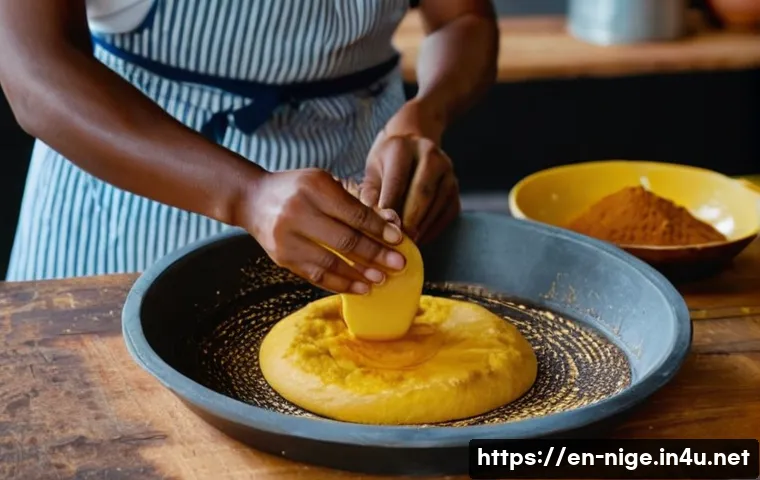
Whether enjoyed at festive gatherings or as everyday comfort food, these desserts reveal much about the country’s cultural heritage. If you’ve ever wondered what makes Nigerian desserts so special, you’re in for a tasty journey.
Let’s dive deeper and uncover the secrets behind these famous Nigerian sweets!
Exploring the Sweetness of Local Flavors
How Indigenous Ingredients Shape Dessert Profiles
When you think of Nigerian desserts, the first thing that comes to mind might be the vibrant use of native ingredients that give each sweet its unmistakable character.
Ingredients like palm oil, native spices such as alligator pepper and nutmeg, and staples like cassava and plantains are woven into recipes passed down through generations.
The subtle heat from spices balances beautifully with the natural sweetness of sugarcane or honey, creating a depth of flavor that’s both comforting and exciting.
Personally, I’ve found that tasting these desserts is like taking a bite of Nigerian culture itself — each ingredient tells a story, and the way they blend together feels like a celebration of the land’s bounty.
The Role of Texture and Temperature in Enjoyment
Texture plays a crucial role in how these sweets are perceived. Many Nigerian desserts contrast creamy, melt-in-your-mouth elements with crunchy nuts or chewy bits, which keeps each bite interesting and satisfying.
For example, a dessert might combine soft bean cakes with crunchy fried toppings or silky puddings with coarse grainy components. Temperature also adds another layer; some treats are served warm to enhance the aroma and flavor, while others are chilled to offer a refreshing respite from the tropical heat.
In my experience, having this variety in texture and temperature is what makes Nigerian desserts stand out on the global stage — they’re not just sweet, they’re multi-sensory experiences.
Why Seasonal and Festive Occasions Elevate These Treats
Many Nigerian sweets are tied closely to seasonal celebrations and cultural rituals, which amplifies their significance. During festivals like Christmas, Easter, or traditional weddings, desserts take center stage with elaborate presentations and recipes that have been perfected for special moments.
The communal aspect of sharing these sweets reinforces bonds and adds emotional weight to their enjoyment. I recall attending a Nigerian wedding where the dessert table was a riot of colors and aromas, and every bite seemed infused with joy and history.
This cultural layering makes each dessert more than just food; it’s a vessel of shared identity and happiness.
The Art of Balancing Sweetness and Spice
Understanding the Flavor Harmony in Nigerian Treats
Nigerian desserts are masterclasses in balancing contrasting flavors, especially the interplay between sweetness and spice. Unlike many Western desserts that lean heavily on sugar alone, Nigerian sweets often incorporate spices that awaken the palate without overpowering the dessert’s inherent sweetness.
The trick is subtlety — a gentle hint of cinnamon or a whisper of clove can transform a simple pudding into a memorable delicacy. I remember trying a dessert where the spices weren’t just added for heat, but to evoke nostalgia and warmth, a technique that many Nigerian cooks have honed over centuries.
How Sweetness is Naturally Enhanced Without Overuse of Sugar
One thing that struck me is how Nigerian desserts often rely on natural sweeteners rather than refined sugar alone. Ingredients like ripe plantains, dates, and local honey add layers of sweetness that feel more wholesome and complex.
This approach not only makes desserts healthier but also provides a natural balance that prevents the sugar from becoming cloying. Through my tastings, I’ve learned that the natural sugars bring out the earthiness of other ingredients, creating a dessert that’s both satisfying and nuanced.
Spices That Add Depth Beyond Heat
Spices used in Nigerian sweets do more than just add heat; they introduce aromatic depth and complexity. For example, the use of grains of paradise or African nutmeg adds floral and citrusy notes that complement sweetness rather than compete with it.
This careful layering of flavor profiles is something I haven’t encountered much outside West African cuisine, and it’s what gives Nigerian desserts their unique signature.
The next time you bite into a Nigerian sweet, try to identify the subtle spices — they’re like hidden gems that elevate the entire experience.
Traditional Techniques That Define the Craft
Preparation Methods Passed Through Generations
One of the reasons Nigerian desserts hold such authenticity is the meticulous preparation methods preserved through family traditions. Techniques like slow roasting, sun-drying, or fermenting ingredients are still widely practiced, giving the sweets a texture and flavor depth you simply can’t replicate with modern shortcuts.
For instance, the slow simmering of syrup or the careful pounding of ingredients by hand adds a level of craftsmanship that I deeply respect. When I tried making some of these desserts myself, I realized how much patience and skill go into each step — it’s truly an art form.
Using Natural Preservation and Presentation Styles
Another fascinating aspect is how natural preservation methods influence the taste and presentation. Many desserts are wrapped in leaves like banana or plantain leaves, which not only preserve moisture but infuse a subtle earthy aroma that complements the dessert.
This eco-friendly packaging also enhances the visual appeal, making the experience feel more connected to nature. I’ve noticed that these traditional presentations invite curiosity and appreciation before even tasting the sweet inside, which is a unique cultural touch.
The Impact of Handcrafted Techniques on Flavor
Handcrafted desserts tend to have a richer flavor profile compared to mass-produced sweets, and Nigerian desserts are no exception. The tactile involvement of the maker — from kneading dough to stirring mixtures over a fire — seems to create a deeper bond between cook and creation.
When I tasted desserts made by street vendors using these time-honored methods, the freshness and authenticity were undeniable. It’s a reminder that sometimes, the old-fashioned way isn’t just about tradition; it’s about achieving a quality and soulfulness that machines can’t replicate.
Sweet Treats That Capture Community Spirit
Sharing Desserts as a Social Ritual
In Nigeria, desserts often serve as more than just food; they’re integral to social interaction and community bonding. Whether it’s a neighborhood gathering or a family reunion, sweets are shared generously, symbolizing hospitality and goodwill.
I’ve experienced firsthand how offering a plate of homemade sweets can break the ice and spark conversations, making strangers feel like old friends. This social function adds a layer of meaning to Nigerian desserts that goes beyond their taste.
The Role of Street Food Culture in Popularizing Sweets
Street vendors play a pivotal role in keeping Nigerian desserts alive and accessible. Walking through bustling markets or city streets, you’ll find stalls selling everything from fried bean cakes to coconut treats, each with its own loyal following.
These vendors not only preserve traditional recipes but also adapt them to modern tastes, ensuring the sweets remain relevant. I’ve often grabbed a quick snack from a street vendor and been amazed at the freshness and authenticity — it’s a testament to how these desserts bridge generations and lifestyles.
How Celebrations Amplify the Dessert Experience
Special occasions elevate the consumption of Nigerian sweets, turning them into symbols of joy and prosperity. Weddings, naming ceremonies, and religious festivals feature elaborate dessert spreads that showcase the best of local culinary talent.
I remember attending a festival where desserts were presented as part of a grand feast, each dish telling a story of cultural pride and creativity. These moments highlight how desserts are deeply woven into the social fabric, creating memories that last long after the sweets are gone.
Understanding the Nutritional and Culinary Balance
How Nigerian Desserts Fit into a Balanced Diet
While Nigerian sweets are undeniably delicious, many also offer nutritional benefits rooted in their natural ingredients. For instance, desserts made from beans or yams provide fiber and protein, while those incorporating nuts add healthy fats.
This balance is something I’ve come to appreciate, especially compared to heavily processed Western sweets. Nigerian desserts manage to satisfy cravings while still contributing valuable nutrients, making them a more wholesome indulgence.
The Use of Natural Sweeteners and Their Benefits
Natural sweeteners like honey and palm sugar are common in Nigerian desserts, and they bring more than just sweetness. These ingredients contain trace minerals and antioxidants that refined sugar lacks, enhancing the health profile of the desserts.
From my experience, desserts using these sweeteners tend to feel lighter and less cloying, allowing you to enjoy more without the usual sugar crash. This natural approach aligns well with modern trends toward cleaner eating.
Balancing Indulgence with Tradition
Nigerian desserts strike a fine balance between indulgence and tradition, a combination that’s both satisfying and culturally rich. While some treats are rich and creamy, others are light and refreshing, catering to different preferences and occasions.
Through tasting a variety of these sweets, I realized that this balance allows them to be enjoyed regularly without feeling overwhelming, which is a refreshing change from many heavy desserts.
It’s this thoughtful balance that makes Nigerian sweets so enduring and beloved.
Common Nigerian Sweet Ingredients and Their Uses
| Ingredient | Common Use | Flavor/Texture Contribution | Health Benefit |
|---|---|---|---|
| Palm Oil | Base for frying and flavoring sweets | Gives a rich, earthy aroma and vibrant color | Contains vitamin E and antioxidants |
| Plantains | Main ingredient in puddings and fried treats | Provides natural sweetness and soft texture | High in fiber and potassium |
| Alligator Pepper | Spice in cakes and puddings | Adds mild heat and aromatic warmth | Known for anti-inflammatory properties |
| Honey | Natural sweetener | Enhances sweetness with floral notes | Antioxidant-rich and soothing |
| Cassava | Base for many desserts like fufu and cakes | Neutral flavor with a chewy texture | Gluten-free carbohydrate source |
Innovations and Modern Twists on Traditional Sweets
Blending Traditional Flavors with Contemporary Techniques
In recent years, Nigerian dessert makers have started experimenting by blending age-old flavors with modern culinary techniques. Chefs are incorporating fusion elements like chocolate, vanilla, or even Western-style frostings while maintaining the essence of traditional ingredients.
From my visits to Nigerian bakeries, I’ve noticed how these innovations attract younger audiences who crave both authenticity and novelty. It’s exciting to see heritage evolve without losing its soul.
Using Global Ingredients to Enhance Local Classics
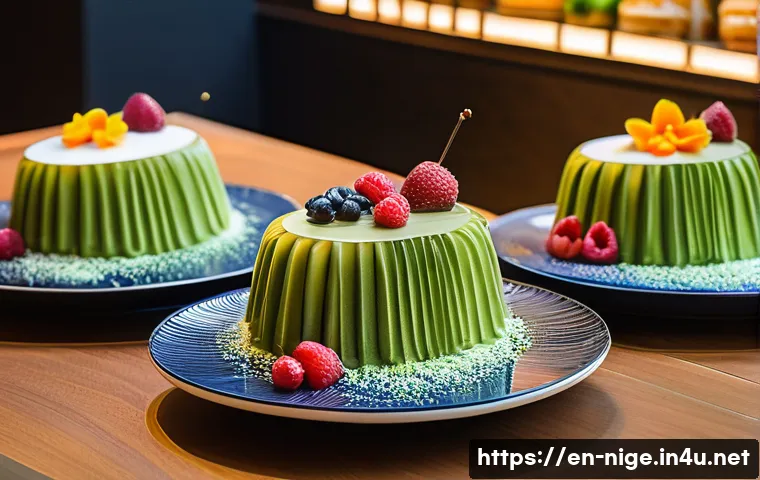
Another trend involves introducing global ingredients such as matcha, berries, or exotic nuts into classic Nigerian sweets. This not only broadens flavor profiles but also introduces new textures and colors that make the desserts visually appealing.
I tried a version of a traditional cake with a tropical fruit glaze recently, and the combination was surprisingly harmonious. Such creativity shows how Nigerian desserts can adapt and thrive in a global culinary landscape.
How Social Media is Driving Dessert Trends
Social media platforms have played a huge role in popularizing Nigerian sweets beyond their borders. Food bloggers and influencers share recipes, reviews, and vibrant photos that inspire people to try making these desserts at home or seek them out in restaurants.
I’ve personally discovered new dessert spots and recipes through Instagram and TikTok, which has deepened my appreciation for the diversity and richness of Nigerian sweets.
This digital exposure helps preserve tradition while sparking fresh enthusiasm worldwide.
In Conclusion
Exploring Nigerian desserts reveals a rich tapestry of culture, tradition, and innovation. These sweets are not only delicious but embody a deep connection to heritage through their unique ingredients and preparation methods. Whether enjoyed during festivals or as everyday treats, they offer a delightful balance of flavors and textures that captivate the senses. Experiencing them firsthand truly opens a window into Nigeria’s vibrant culinary spirit.
Useful Information to Keep in Mind
1. Nigerian desserts often use indigenous ingredients like palm oil, plantains, and native spices, which give them distinct flavors not commonly found elsewhere.
2. Texture and temperature play essential roles, with many sweets combining creamy, crunchy, and chewy elements served either warm or chilled for enhanced enjoyment.
3. These desserts are deeply tied to social and cultural events, making them more than just food but symbols of community and celebration.
4. Natural sweeteners such as honey and ripe fruits are preferred, providing balanced sweetness without excessive refined sugar.
5. Modern chefs are creatively blending traditional Nigerian flavors with global ingredients and techniques, keeping the desserts relevant and exciting for new generations.
Key Takeaways
Nigerian desserts stand out for their harmonious blend of sweetness and spice, achieved through carefully selected native ingredients and traditional preparation methods. Their multi-textured nature and connection to cultural rituals add layers of meaning beyond taste alone. Incorporating natural sweeteners and nutrient-rich components offers a healthier indulgence compared to many Western sweets. Finally, the ongoing innovation within this culinary tradition ensures that these desserts continue to evolve while honoring their roots, making them a fascinating and delicious subject for anyone interested in global flavors.
Frequently Asked Questions (FAQ) 📖
Q: What are some popular traditional Nigerian desserts I should try?
A: Nigerian cuisine offers a delightful range of desserts that are both unique and deeply rooted in tradition. Some must-try sweets include Puff-Puff, which are fluffy, deep-fried dough balls often dusted with sugar; Chin Chin, crunchy fried dough snacks flavored with nutmeg; and Akamu (also called Ogi), a smooth, fermented corn pudding usually served with sugar and milk.
Each of these desserts carries its own story and flavor profile, reflecting the diverse culinary heritage across Nigeria’s regions.
Q: What ingredients give Nigerian desserts their distinctive flavors?
A: The magic of Nigerian desserts largely comes from the use of local, fresh ingredients that infuse each dish with vibrant taste and aroma. Common flavor agents include nutmeg, ginger, and cloves, which add warmth and spice.
Palm oil and coconut milk often bring rich creaminess, while native fruits like plantains and groundnuts (peanuts) add natural sweetness and texture. These ingredients, combined with traditional preparation methods, create desserts that are both comforting and exciting to the palate.
Q: Are Nigerian desserts suitable for people with dietary restrictions?
A: Many Nigerian desserts can be adapted to suit various dietary needs, but it’s important to check specific recipes as some may contain gluten, dairy, or nuts.
For example, Puff-Puff and Chin Chin typically use wheat flour, so gluten-free versions would require alternative flours like cassava or rice flour. Coconut milk-based desserts are naturally dairy-free, making them a good option for lactose intolerance.
If you have allergies or special diets, experimenting with ingredient substitutions or consulting with someone experienced in Nigerian cooking can help you enjoy these treats safely.