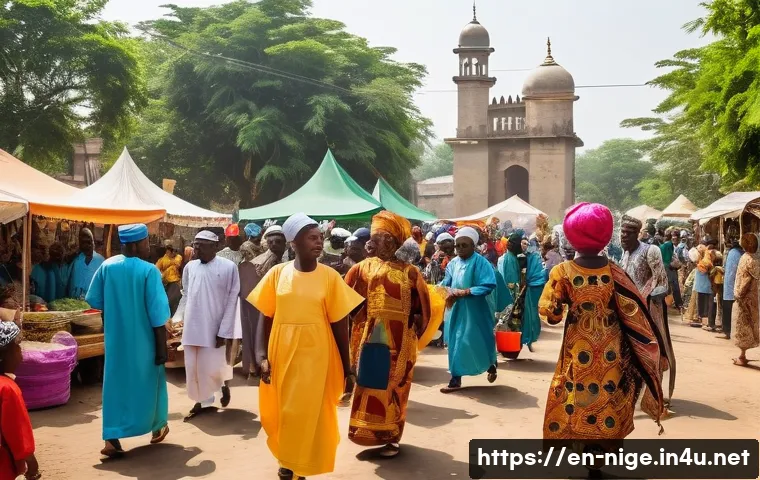
Nigeria’s religious landscape is as vibrant and diverse as its rich cultural heritage. From bustling urban centers to rural communities, faith plays a pivotal role in shaping daily life and social values.
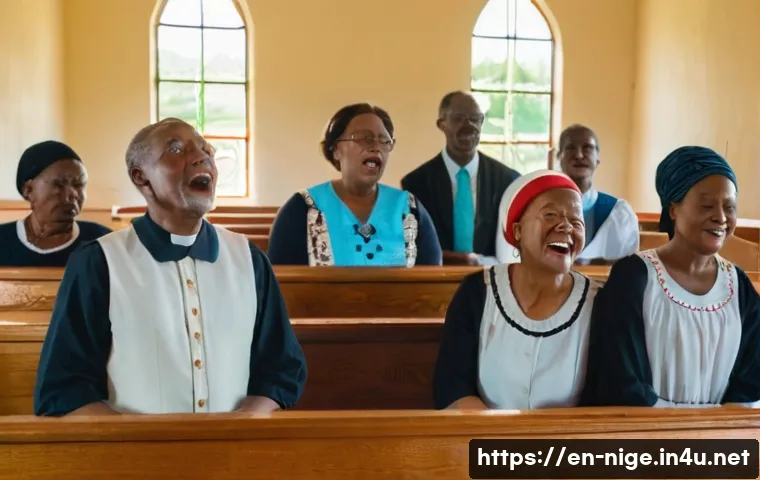
Christianity and Islam dominate, yet indigenous beliefs continue to thrive, weaving a unique spiritual tapestry. The dynamic interplay between these religions influences everything from festivals to politics.
Understanding these faiths offers deep insights into Nigeria’s identity and unity. Let’s dive in to explore the fascinating world of popular religions in Nigeria more closely!
Faith’s Role in Shaping Nigerian Communities
Community Bonds Through Shared Beliefs
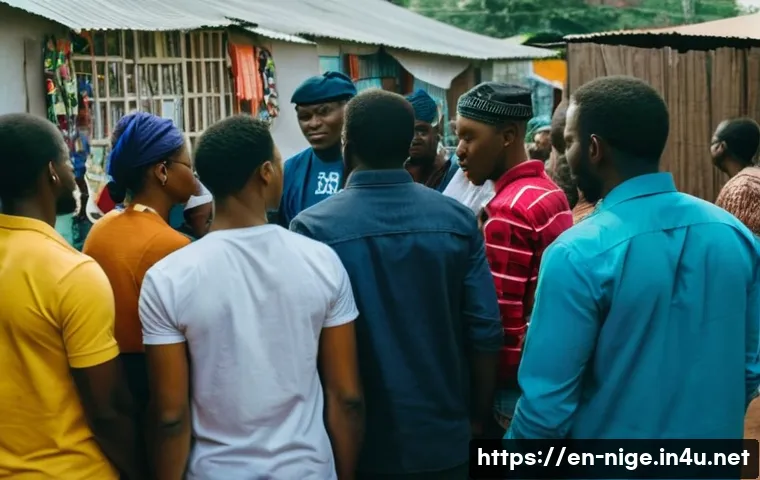
In Nigeria, faith is more than just a private affair; it’s a vital thread weaving communities together. When I visited small towns across the country, I noticed how religious gatherings often double as social events, creating a strong sense of belonging.
Whether it’s a church choir rehearsal, mosque prayers, or indigenous worship ceremonies, these moments foster deep connections among people. This communal participation strengthens trust and cooperation, which is crucial in regions where government services may be limited.
The way neighbors come together to celebrate, mourn, or seek guidance through religion often reflects the heartbeat of Nigerian life.
Religious Festivals as Cultural Pillars
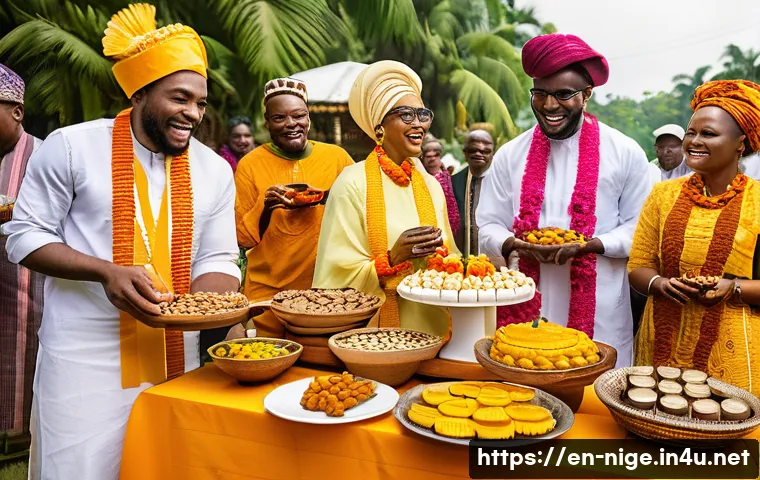
Festivals tied to faith are some of the most vibrant expressions of Nigeria’s cultural diversity. I once experienced the Eyo Festival in Lagos, which, while rooted in traditional beliefs, also embraces Christian elements, showcasing how religion and culture merge seamlessly.
Similarly, Eid celebrations in the north bring together millions in joyous prayer and feasting, marking the end of Ramadan with generosity and community spirit.
These events aren’t just religious observances—they’re opportunities for people from different backgrounds to engage, share stories, and reinforce their identity.
The colorful displays, music, and food create an atmosphere that transcends religious divides, highlighting unity amidst diversity.
Religious Influence on Social Norms and Values
Living in Nigeria or even interacting with its people reveals how religion shapes social expectations. For example, concepts of respect, charity, and family honor are often taught through religious teachings.
In many households I visited, elders emphasize religious morals as guiding principles for raising children. This influence extends to daily decisions, like dress codes or dietary habits, which are frequently tied to faith-based rules.
Even in urban centers, where modern lifestyles prevail, religious values continue to inform behavior and social etiquette. This blend of tradition and faith plays a crucial role in maintaining societal cohesion.
Interweaving Traditions: The Dance of Modern and Indigenous Beliefs
Persistence of Indigenous Practices
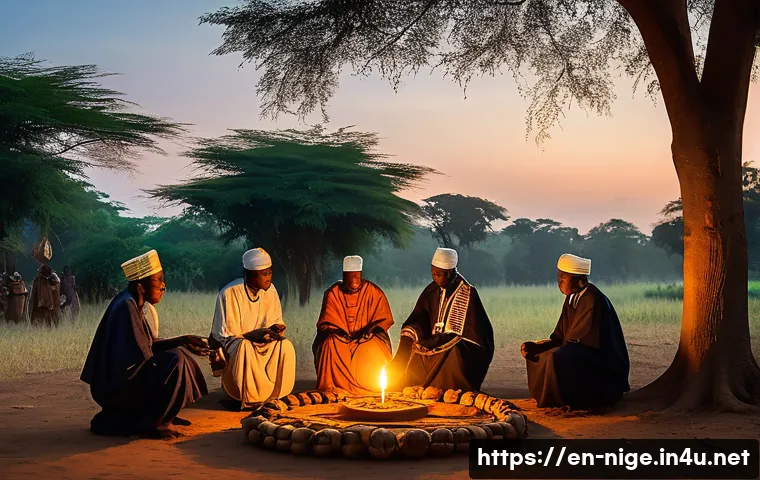
Despite the dominance of Christianity and Islam, indigenous beliefs have shown remarkable resilience. I’ve encountered many Nigerians who identify as Christian or Muslim but still consult traditional healers or participate in ancestral rituals.
This coexistence isn’t always contradictory; instead, it reflects a pragmatic approach to spirituality where people seek harmony between old and new. Traditional festivals, divination, and nature worship remain alive, especially in rural areas, offering a sense of continuity and identity that modern religions sometimes don’t provide.
This blend enriches the spiritual landscape, making it uniquely Nigerian.
Syncretism in Everyday Life
One fascinating aspect I observed is how syncretism—the blending of different religious traditions—permeates daily routines. For instance, some Christians incorporate traditional symbols into their homes or prayers, believing these elements provide protection or blessings.
Similarly, Muslim communities might celebrate cultural festivals that have roots in pre-Islamic customs. This fusion creates a spiritual fluidity that adapts to personal and communal needs.
It’s a dynamic process where faith evolves without losing touch with ancestral roots, demonstrating the flexibility and depth of Nigerian spirituality.
Challenges and Opportunities in Religious Coexistence
Living in such a spiritually diverse environment isn’t without its tensions. I’ve heard stories of conflicts sparked by misunderstandings or political manipulation of religious identities.
However, many Nigerians actively promote interfaith dialogue and cooperation, recognizing that unity is essential for peace and development. Religious leaders often play mediating roles, encouraging followers to focus on shared values rather than differences.
This ongoing effort highlights Nigeria’s potential to harness its religious diversity as a strength rather than a source of division.
Faith and Politics: Navigating Power and Belief
The Political Weight of Religious Identity
In Nigeria, religion often intersects with politics in ways that can shape electoral outcomes and policy decisions. Politicians frequently appeal to religious sentiments to garner support, recognizing the deep loyalty faith inspires.
I’ve noticed during election seasons how campaign messages are tailored to resonate with Christian or Muslim voters, sometimes exacerbating religious divides.
This dynamic can complicate governance, as leaders must balance faith-based expectations with the demands of a secular state. Understanding this interplay is key to grasping Nigeria’s complex political landscape.
Religious Leaders as Political Influencers
Religious figures in Nigeria wield significant influence beyond the pulpit or mosque. Many serve as community leaders, mediators, and even kingmakers in local and national affairs.
From my conversations with locals, it’s clear that endorsements from prominent clerics or imams can make or break political campaigns. Their moral authority often positions them as advocates for social justice, peace, and development, but it also places them at the center of political controversies.
Navigating this dual role requires wisdom and responsibility, given the potential impact on communal harmony.
Religion’s Role in Conflict Resolution
Despite occasional tensions, religion also plays a crucial role in peacebuilding efforts. Faith-based organizations frequently spearhead initiatives to mediate disputes and promote reconciliation.
In conflict-prone areas, I’ve seen how joint prayers and interfaith dialogues create safe spaces for dialogue and healing. These efforts emphasize common spiritual values like forgiveness and compassion, offering pathways to coexistence.
Such initiatives demonstrate how religion, when leveraged constructively, can be a powerful tool for social stability and progress.
Educational Impact of Religious Institutions
Religious Schools as Pillars of Learning
Religious institutions have historically been central to education in Nigeria. I recall visiting mission schools and madrasas where faith and academics blend seamlessly.
These schools often provide quality education, especially in underserved areas, offering not just literacy but moral instruction rooted in religious teachings.
Many successful Nigerians attribute their foundational learning to such institutions, which continue to shape generations. The discipline and community support fostered by religious schools often translate into lifelong values and networks.
Faith-Based Education and Social Mobility
For many Nigerian families, enrolling children in religious schools is a strategic choice to improve social mobility. The structured environment and emphasis on ethics are believed to prepare students for challenges beyond academics.
From personal stories I’ve gathered, graduates of faith-based schools often credit their upbringing for resilience and leadership skills. However, there’s an ongoing debate about balancing religious content with secular knowledge to equip students fully for a modern economy.
This tension reflects broader societal questions about tradition and innovation.
Challenges in Religious Education
Despite their benefits, religious schools face challenges such as funding shortages, curriculum constraints, and occasional sectarian biases. I’ve observed some institutions struggling to keep pace with technological advancements or inclusive education standards.
Moreover, the risk of indoctrination sometimes raises concerns about critical thinking development. Addressing these issues requires collaboration between religious leaders, educators, and policymakers to ensure that faith-based education remains relevant and equitable.
Gender Roles and Religious Expectations
Traditional Gender Norms Influenced by Faith
Religion plays a significant role in shaping gender roles within Nigerian society. In many communities, religious teachings reinforce traditional expectations about men’s and women’s responsibilities.
For instance, I’ve seen how women are often encouraged to prioritize family and caregiving roles, while men are positioned as providers and decision-makers.
These norms are deeply embedded in religious narratives and cultural practices, influencing everything from dress codes to participation in public life.
Navigating these expectations can be complex, especially for younger generations pushing for change.
Women’s Leadership in Religious Spaces
Despite traditional norms, Nigerian women have increasingly taken on leadership roles within faith communities. From church ministry positions to grassroots Islamic organizations, women are asserting their voices and shaping religious discourse.
I’ve met inspiring female leaders who balance respect for tradition with advocacy for women’s rights, using faith as a platform for empowerment. Their efforts challenge stereotypes and open up new possibilities for gender equality within religious frameworks.
Ongoing Dialogue on Gender and Faith
The conversation about gender roles and religion in Nigeria is evolving. Many faith communities are engaging in dialogue about inclusivity, education, and women’s participation in leadership.
I’ve attended forums where religious scholars and activists debate interpretations of sacred texts in light of contemporary gender issues. These discussions are vital for fostering understanding and progress, reflecting a society grappling with modern values while honoring its spiritual heritage.
Religious Diversity Mapped: Key Facts and Figures
| Religion | Estimated Population (%) | Geographic Concentration | Major Practices | Community Impact |
|---|---|---|---|---|
| Christianity | 45-50% | Southern and Central Nigeria | Church services, gospel music, charity work | Strong influence on education, social welfare, and politics |
| Islam | 45-50% | Northern and some Western regions | Daily prayers, fasting during Ramadan, pilgrimage | Key role in governance, cultural festivals, and legal systems |
| Indigenous Beliefs | 5-10% | Rural areas across Nigeria | Ancestor worship, nature rituals, traditional festivals | Preservation of cultural identity, conflict mediation, healing |
In Conclusion
Faith plays an essential role in shaping Nigerian communities, influencing social bonds, cultural expressions, and daily life. It acts as a bridge connecting tradition and modernity, fostering unity amid diversity. Understanding this dynamic reveals the deep-rooted significance of spirituality in Nigeria’s social fabric and its ongoing evolution.
Useful Information to Keep in Mind
1. Religious gatherings in Nigeria often serve as vital social hubs, strengthening community trust and cooperation.
2. Festivals rooted in faith provide rich cultural experiences that unite people across different backgrounds.
3. Indigenous beliefs coexist with major religions, creating a unique blend of spiritual practices.
4. Religious institutions contribute significantly to education and social mobility, especially in underserved regions.
5. Interfaith dialogue and religious leadership play crucial roles in promoting peace and resolving conflicts.
Key Takeaways
Religion in Nigeria is deeply intertwined with community life, politics, and education, influencing values and social norms. The coexistence of Christianity, Islam, and indigenous faiths fosters a complex spiritual landscape marked by both challenges and opportunities for harmony. Recognizing the power of faith to unite, empower, and guide is essential for appreciating Nigeria’s cultural richness and social dynamics.
Frequently Asked Questions (FAQ) 📖
Q: What are the major religions practiced in Nigeria, and how do they influence daily life?
A: Nigeria is primarily home to Christianity and Islam, which together shape much of the country’s cultural and social fabric. Christianity is more prevalent in the southern and central regions, while Islam dominates the northern parts.
These religions influence daily routines, social values, and community interactions—ranging from prayer practices and dietary customs to education and family life.
Beyond these, indigenous beliefs remain significant, especially in rural areas, often blending with Christian or Islamic traditions. This rich religious mix impacts festivals, dress codes, and even local governance, making faith a central pillar in many Nigerians’ everyday experiences.
Q: How do indigenous beliefs coexist with Christianity and Islam in Nigeria?
A: Indigenous beliefs in Nigeria are deeply rooted in the country’s history and continue to thrive alongside Christianity and Islam. Many Nigerians practice a blend of traditional spirituality and the major religions, creating a unique spiritual mosaic.
For instance, some communities incorporate ancestral veneration, rituals, and festivals into their Christian or Muslim practices. This coexistence is often harmonious, with indigenous customs influencing religious ceremonies, healing practices, and community rites.
From my experience and conversations with locals, this blend enriches cultural identity and provides a sense of continuity with ancestral heritage, despite the dominance of Christianity and Islam.
Q: How does religion impact Nigerian politics and social unity?
A: Religion plays a powerful role in shaping Nigerian politics and social cohesion. Political leaders often engage with religious groups to gain support, and faith-based organizations sometimes influence policy decisions.
However, the religious diversity can also lead to tensions, especially when political power is perceived to favor one group over another. Despite occasional conflicts, many Nigerians work hard to promote interfaith dialogue and peaceful coexistence, recognizing that unity across religious lines is essential for national stability.
From what I’ve observed, faith can both divide and unite, but the shared values across religions often provide common ground for cooperation and mutual respect.