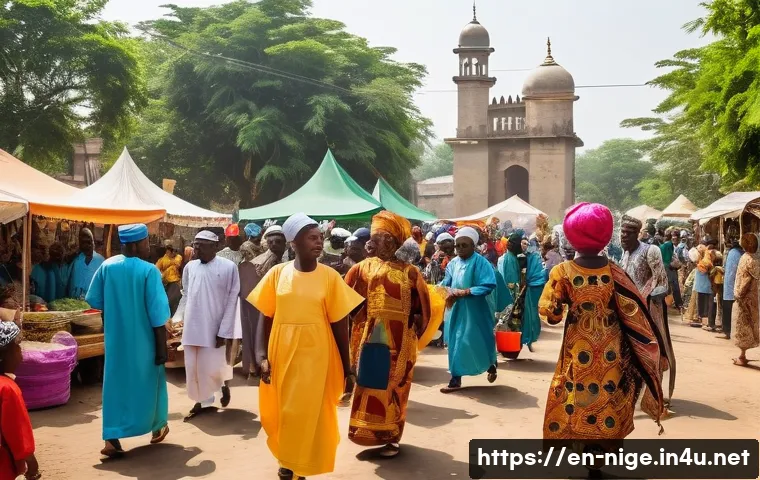
Nigeria stands as one of Africa’s largest economies, boasting vast natural resources and a young, dynamic population. Despite facing challenges like inflation and infrastructure gaps, the country’s entrepreneurial spirit and tech innovation continue to fuel growth.
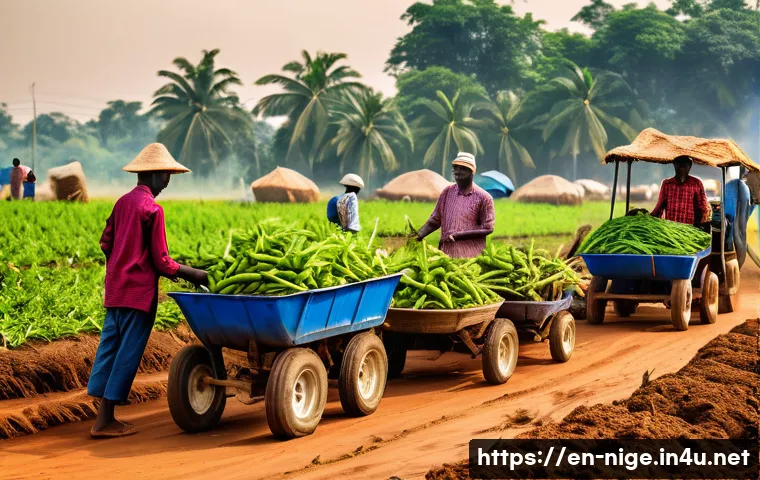
Recent shifts in oil prices and government reforms have also had a significant impact on its economic landscape. Understanding these factors is crucial for anyone interested in global markets or emerging economies.
Let’s dive deeper and get a clear picture of Nigeria’s economic current state!
Emerging Sectors Driving Nigeria’s Economy Forward
Technology and Innovation Hubs
Nigeria’s tech scene has exploded over the past decade, with cities like Lagos and Abuja becoming vibrant centers for startups and innovation. I’ve seen firsthand how young entrepreneurs are leveraging mobile technology and fintech to solve everyday problems—from payment solutions to agriculture logistics.
What makes this sector stand out is the sheer creativity and adaptability of Nigerian youth, who often work around infrastructure challenges by building digital platforms that require minimal data and power usage.
This grassroots innovation is not just a trend but a powerful engine driving economic diversification beyond traditional oil dependency.
Agriculture’s Resurgence Amid Urbanization
While urban centers grow rapidly, agriculture remains a backbone for millions of Nigerians, employing a significant portion of the population. There’s a noticeable shift toward mechanization and agro-processing industries, which is helping boost productivity and food security.
Personally, I’ve noticed local markets thriving with goods sourced from smallholder farmers who are now connected to larger supply chains via digital tools.
This revitalization is crucial because it not only supports rural livelihoods but also curtails heavy reliance on food imports, which has been a strain on the national budget.
Renewable Energy and Infrastructure Development
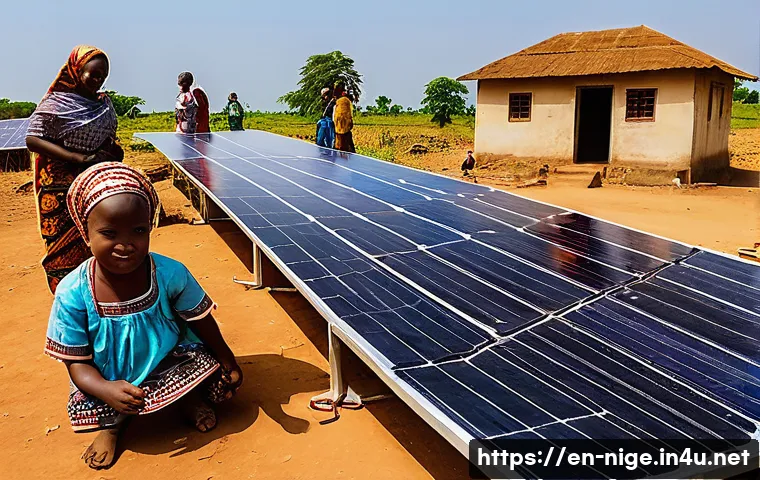
Despite chronic power shortages, Nigeria is making strides in renewable energy projects, particularly solar and mini-grid solutions. From my conversations with industry insiders, it’s clear that off-grid energy options are gaining traction in rural areas, improving quality of life and enabling small businesses to operate longer hours.
Government incentives and international partnerships are further encouraging private investment in infrastructure, which remains a critical bottleneck for sustained economic growth.
These developments indicate a gradual but promising shift toward a more resilient and diversified energy landscape.
Macroeconomic Challenges and Policy Responses
Inflation Trends and Cost of Living
Inflation has been a persistent headache for Nigeria, with food prices and fuel costs fluctuating sharply. From what I’ve observed, these price hikes deeply affect household budgets, especially among lower-income families.
The Central Bank’s monetary policies have aimed to stabilize the naira and control inflation, but external shocks like global commodity price swings continue to complicate efforts.
Tracking these trends is essential because they influence consumer spending, savings rates, and overall economic confidence.
Exchange Rate Volatility and Its Impact
Nigeria’s foreign exchange market has experienced significant volatility, driven largely by fluctuations in oil revenues and capital flows. I remember a time when the naira weakened sharply, making imports more expensive and increasing inflationary pressures.
However, recent government interventions, including flexible exchange rate regimes and forex reserves management, have helped ease some of this instability.
For businesses and investors, understanding these dynamics is crucial for risk management and long-term planning.
Government Reforms and Economic Diversification
The Nigerian government has launched several reforms aimed at boosting non-oil sectors, improving ease of doing business, and attracting foreign direct investment.
From my interactions with local entrepreneurs, these reforms are starting to yield results, although bureaucratic hurdles remain. Tax incentives for startups and improvements in regulatory frameworks are helping create a more conducive environment for business growth.
Still, continuous monitoring and adaptation are necessary to sustain momentum and address structural weaknesses.
The Role of Oil and Energy Markets in Shaping Nigeria’s Economy
Oil Price Fluctuations and Revenue Implications
Nigeria’s economy is closely tied to global oil markets, and price swings directly affect government revenues and foreign reserves. I’ve witnessed how periods of low oil prices lead to budget cuts and currency pressures, while price surges provide temporary relief but also tempt over-reliance.
This cyclical nature makes economic planning challenging, especially given the volatility of geopolitical events influencing supply and demand.
Efforts to Boost Oil Production Efficiency
To counteract production declines and aging infrastructure, Nigeria has been investing in modernization and attracting international oil companies through joint ventures.
From industry reports I’ve reviewed, these efforts aim to enhance output and reduce operational costs. However, environmental concerns and security issues in the Niger Delta region continue to pose risks that need addressing for sustainable growth.
Transitioning Toward Cleaner Energy Sources
Amid global shifts toward sustainability, Nigeria is exploring ways to incorporate cleaner energy sources, including natural gas and renewables, into its energy mix.
The government’s commitment to reducing carbon emissions and expanding energy access reflects a broader vision for long-term economic stability. I find it encouraging that private sector players are increasingly involved in green energy projects, signaling a gradual but meaningful transition.
Demographic Dynamics Influencing Economic Growth
Young Population as a Demographic Dividend
Nigeria’s youthful population is often touted as a significant advantage, providing a vibrant labor force and consumer base. From what I’ve observed in urban areas, this demographic is tech-savvy, entrepreneurial, and eager to engage in new economic opportunities.
However, the challenge lies in creating sufficient jobs and educational pathways to harness this potential fully. Investments in skills development and vocational training are critical components that I believe will determine future economic success.
Urbanization and Its Economic Effects
Rapid urban growth is reshaping Nigeria’s economic landscape, with cities becoming hubs for commerce, services, and manufacturing. While this concentration drives productivity, it also strains infrastructure and housing.
I’ve noticed that urban migration is fueling demand for better public services and creating informal economies that, while vibrant, often escape formal regulation and taxation.
Migration Patterns and Labor Market Shifts
Internal and external migration flows are influencing labor markets and remittance patterns. Many Nigerians seek opportunities abroad or in more developed urban centers, which affects local labor availability and consumption patterns.
From conversations with Nigerian professionals, remittances continue to play a significant role in household incomes and investment in education and small businesses back home.
Trade and Investment Landscape in Nigeria
Foreign Direct Investment Trends
Nigeria attracts a fair share of FDI, particularly in oil, telecommunications, and consumer goods sectors. I’ve seen firsthand how international companies are drawn by the country’s market size and natural resources, though concerns about regulatory stability and corruption sometimes temper enthusiasm.
Efforts to improve transparency and business climate are ongoing and crucial to sustaining investor confidence.
Export Composition and Market Diversification
While crude oil remains the dominant export, Nigeria is gradually diversifying into agricultural products, solid minerals, and manufactured goods. I recall visiting export processing zones where small-scale manufacturers are ramping up production for regional markets.
This diversification is vital for reducing vulnerability to oil price shocks and expanding economic resilience.
Regional Trade Integration
Nigeria’s role in regional trade blocs like ECOWAS is significant for boosting intra-African commerce. I’ve noticed that tariff reductions and infrastructure projects aimed at facilitating cross-border trade have improved the flow of goods and services.
Enhanced regional integration offers opportunities for Nigerian businesses to scale and tap into larger markets.
Socioeconomic Indicators Reflecting Nigeria’s Economic Health
Poverty and Income Inequality
Despite economic growth, poverty remains widespread, with stark income disparities across regions. From my visits to both urban slums and rural communities, it’s evident that economic gains have not been evenly distributed.
Addressing inequality through targeted social programs and inclusive growth strategies is essential for social stability and sustained development.
Education and Human Capital Development
Investment in education is a cornerstone for Nigeria’s future economic prospects. I’ve met educators and policy experts emphasizing the need for quality improvements and curriculum reforms to equip youth with relevant skills.
Expanding access to higher education and vocational training can help close the gap between labor market demands and workforce capabilities.
Health Infrastructure and Economic Productivity
Health outcomes directly impact productivity and economic participation. I’ve observed that challenges like inadequate healthcare facilities and disease burdens constrain workforce efficiency.
Government and private sector initiatives aimed at expanding healthcare access and improving public health are critical investments that will pay dividends in economic performance.
Key Economic Metrics at a Glance
| Indicator | Latest Value | Trend | Impact |
|---|---|---|---|
| GDP Growth Rate | 3.5% | Moderate Increase | Indicates steady economic expansion driven by non-oil sectors |
| Inflation Rate | 17.2% | High but Stabilizing | Pressures consumer purchasing power and living costs |
| Unemployment Rate | 33.3% | High | Reflects challenges in job creation and youth employment |
| Exchange Rate (NGN/USD) | ~460 | Volatile | Affects import costs and foreign investment flows |
| Oil Production | 1.8 million barrels/day | Stable | Major source of government revenue with production risks |
| Foreign Direct Investment (FDI) | $3.5 billion | Increasing | Sign of growing investor confidence in diversified sectors |
Conclusion
Nigeria’s economic landscape is evolving with promising growth in technology, agriculture, and renewable energy sectors. Despite challenges like inflation and infrastructure gaps, ongoing reforms and demographic advantages offer a hopeful outlook. Continued focus on diversification and sustainable development will be key to unlocking Nigeria’s full potential in the coming years.
Useful Information to Know
1. Nigeria’s tech hubs are rapidly expanding, driven by innovative young entrepreneurs overcoming local challenges with creative digital solutions.
2. Agriculture remains vital, with increased mechanization and digital connectivity improving productivity and reducing food import dependence.
3. Renewable energy projects, especially solar mini-grids, are gaining momentum, providing off-grid communities with reliable power.
4. Inflation and currency volatility continue to impact daily life, underscoring the importance of government monetary policies and market reforms.
5. Nigeria’s youthful population is both an opportunity and a challenge, highlighting the need for skills development and job creation initiatives.
Key Takeaways
Nigeria’s economy is gradually shifting from oil dependence toward a more diversified and resilient structure, driven by innovation and sectoral reforms. Addressing macroeconomic challenges like inflation and exchange rate fluctuations remains crucial for stability. Empowering the young workforce through education and creating an enabling environment for business growth will determine the country’s future economic trajectory. Sustainable energy investments and enhanced regional trade integration further support long-term development goals. Overall, a balanced approach combining policy, infrastructure, and human capital investment is essential to realize Nigeria’s growth potential.
Frequently Asked Questions (FAQ) 📖
Q: What are the main drivers behind Nigeria’s economic growth despite its challenges?
A: Nigeria’s economic growth is largely fueled by its youthful population eager to innovate and engage in entrepreneurship, especially within the tech sector.
Although inflation and infrastructure issues pose hurdles, sectors like agriculture, telecommunications, and fintech have shown remarkable resilience and expansion.
Government reforms aimed at improving business environments and diversifying the economy away from oil dependence also play a crucial role in sustaining growth momentum.
Q: How do fluctuations in oil prices affect Nigeria’s economy?
A: Since oil exports make up a significant portion of Nigeria’s revenue, changes in global oil prices directly impact government income and foreign exchange reserves.
When prices drop, Nigeria often faces budget deficits and currency depreciation, which can increase inflation and reduce public spending. Conversely, higher oil prices boost fiscal capacity and can fund infrastructure projects or social programs.
This volatility pushes the country to accelerate economic diversification efforts to reduce reliance on oil.
Q: What recent government reforms have influenced Nigeria’s economic landscape?
A: Recent reforms include efforts to enhance transparency in public finances, streamline business registration processes, and improve tax collection systems.
The Central Bank has also introduced policies to stabilize the currency and encourage local manufacturing. Additionally, investment in digital infrastructure and support for startups have gained traction, creating a more conducive environment for innovation and private sector growth.
These changes reflect a strategic shift toward sustainable development and resilience against external shocks.