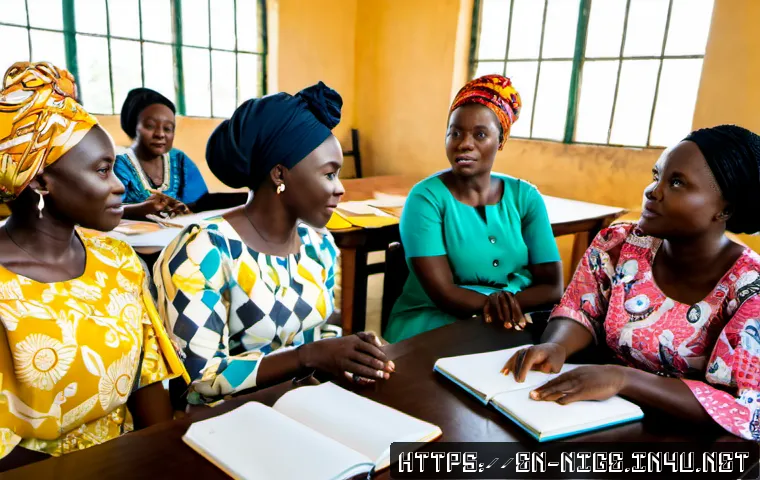
Nigeria’s women’s rights movement has deep roots in women-led resistance and now addresses equality, legal access, economic opportunity, education, workplace discrimination, political representation, and gender-based violence.
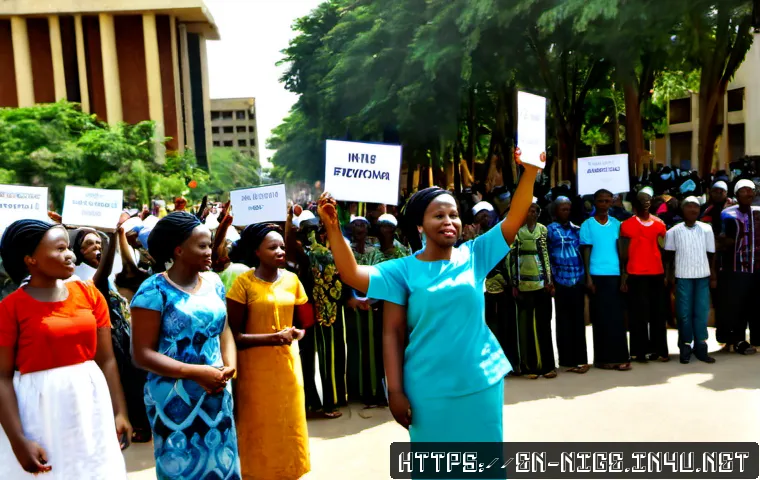
Its legal framework includes constitutional protection against sex discrimination and the 2015 Violence Against Persons (Prohibition) Act, but coverage and implementation can differ across states.
For donors, employers, researchers, and CSR teams, the most useful next step is not simply choosing a well-known name. It is checking local leadership, safeguarding, financial transparency, and evidence of meaningful results.
NGO due diligence, gender-inclusion training, and legal-aid partnerships can all be relevant options when selected carefully. This overview connects the movement’s history with practical ways to assess responsible support.
At a Glance
- Nigeria’s women’s rights advocacy grew from women-led resistance, including the 1929 Aba Women’s War and organized anti-tax activism in the 1940s.
- Current advocacy spans constitutional equality, legal literacy, access to justice, education, livelihoods, political participation, workplace inclusion, and gender-based violence.
- National legal recognition does not automatically produce equal protection everywhere, because state-level adoption and implementation can vary.
| Advocacy Goal | Common Approach | Evidence to Verify | Suitable Supporter Type |
|---|---|---|---|
| Legal rights and access to justice | Legal literacy, referral support, advocacy | Clear service scope, safeguarding, local accountability | Foundations, researchers, legal-aid partners |
| Gender-based violence prevention and response | Public education, survivor-centered support, policy advocacy | State context, referral procedures, protection policies | Community supporters, donors, corporate partners |
| Workplace inclusion | Gender-inclusion training, policy review, reporting systems | Trainer expertise, safeguarding approach, measurable follow-up | Employers, HR teams, CSR programs |
| Long-term equality reform | Research, public discussion, coalition building, advocacy | Locally grounded goals, governance, transparent reporting | Grant makers, journalists, universities |
What Nigeria’s Women’s Rights Advocacy Has Changed—and What Remains Unresolved
A Quick Answer for Readers Seeking Historical Context and Present-Day Priorities
Nigeria’s women’s rights movement is not a recent or single-issue campaign. It connects earlier resistance to colonial governance and unfair taxation with later feminist organizing, legal-rights work, and public advocacy. Today, advocates address gender-based violence, equal opportunity, education, livelihoods, workplace discrimination, political representation, and harmful practices.
The movement has helped keep women’s equality visible in public debate and civil-society work. However, a broad legal or policy commitment is not the same as reliable access to services or remedies for every woman in every location. Responsible supporters should begin with the issue, the community context, and the organization’s actual capacity rather than broad promotional claims.
Why Legal Recognition Does Not Always Mean Equal Access or Enforcement
Section 42 of Nigeria’s 1999 Constitution includes protection against discrimination based on sex. This is an important legal foundation, but constitutional recognition alone does not settle how a person experiences discrimination, seeks help, or obtains a remedy.
The same caution applies to gender-based violence protections. The Violence Against Persons (Prohibition) Act was enacted in 2015 and directly applied in the Federal Capital Territory. At state level, adoption and implementation may differ. Before citing a law in research, funding a program, or referring someone for support, confirm the relevant state-level legal position, available services, and current referral pathway.
From Women-Led Resistance to Organized Feminist Advocacy
The Significance of the Aba Women’s War
The 1929 Aba Women’s War in southeastern Nigeria was a major anti-colonial protest. Women challenged taxation fears and colonial governance practices, showing that women were active political actors in collective resistance. Its importance lies not only in its historical scale, but also in what it represents: women organizing around decisions that affected their lives, communities, and economic security.
For students and journalists, this history is useful context. It should not be treated as a simple story in which one event explains every current issue. Nigeria’s local realities, institutions, and advocacy priorities are diverse.
Funmilayo Ransome-Kuti and Organized Anti-Tax Activism
Funmilayo Ransome-Kuti was a prominent Nigerian activist who organized through the Abeokuta Women’s Union in the 1940s. Her activism challenged unfair taxation and authoritarian local rule. Her work illustrates how organized membership, public pressure, and women’s political participation became central tools in rights advocacy.
For contemporary partners, the lesson is practical: credible engagement should not assume women are merely beneficiaries. A responsible project makes room for local leadership, informed participation, and community-defined priorities.
The Growth of Feminist Networks, Legal-Literacy Work, and Civil-Society Advocacy
Women in Nigeria (WIN), established in 1982, helped strengthen feminist research, advocacy, and public discussion about women’s inequality. BAOBAB for Women’s Human Rights, founded in 1996, has focused on women’s legal rights, legal literacy, and access to justice.
These developments show the range of women’s rights work: some efforts center on research and public debate, while others focus on legal literacy or support related to access to justice. A donor or corporate social-impact team should avoid expecting every organization to provide every service. A focused organization may be more effective when its mission, staff capacity, and referral relationships are clear.
Major Rights Priorities and the Legal Context
Equality, Non-Discrimination, and Constitutional Protections
Section 42 provides a constitutional reference point for protection against sex-based discrimination. It can inform advocacy, public education, and discussions about equal treatment. Still, individual legal outcomes can differ according to location, evidence, procedure, and available support.
For that reason, legal information should be presented carefully. A public-facing campaign can explain rights in accessible language, but it should not promise a particular legal result. Where legal-aid partnerships are considered, check the partner’s stated role, eligibility rules, geographic coverage, and safeguards for handling sensitive information.
Gender-Based Violence Laws and Differences in State-Level Implementation
The Violence Against Persons (Prohibition) Act is a key part of the legal context. Its direct application began in the Federal Capital Territory, while state-level adoption and implementation vary. This distinction matters for reporters, researchers, funders, and employers responding to concerns about violence or harassment.
Do not assume that a law’s existence means that a specific program is funded, accessible, or consistently enforced. Before supporting a campaign or referral initiative, ask how it handles confidentiality, safeguarding, escalation, and location-specific information. These are operational questions, not minor administrative details.
Education, Political Participation, Livelihoods, and Workplace Inclusion
Women’s rights advocacy also addresses education, economic opportunity, political representation, workplace discrimination, and harmful practices. These issues often overlap. For example, workplace inclusion is connected to economic opportunity, while political representation can influence whose experiences are reflected in public decision-making.
Employers can contribute through practical workplace reforms rather than symbolic messaging alone. Useful areas to assess include clear anti-discrimination expectations, safe reporting options, appropriate handling of complaints, and gender-inclusion training that is relevant to the organization’s workforce and context.
How to Evaluate an NGO, Campaign, or Corporate Partnership Responsibly
Evidence to Check: Local Leadership, Safeguarding, Transparency, and Measurable Outcomes
Good NGO due diligence does not require assuming that every organization is unreliable. It means checking whether claims can be understood and verified. Look for a clear mission, identifiable leadership or governance information, an explanation of the communities served, and a realistic description of activities.
Ask whether the group has a safeguarding policy, how it protects people sharing sensitive information, and whether it communicates the limits of its services. Review how it describes outcomes. A strong report distinguishes activities from results and avoids implying that complex social change is guaranteed.
For a responsible CSR partnership, also ask who shapes the project design. A partnership is stronger when it reflects local priorities rather than using women’s rights as a branding theme.

When Gender-Inclusion Training, Legal-Aid Partnerships, or Specialist Consultants May Add Value
Gender-inclusion training may be useful when an employer needs to improve workplace understanding, policies, or reporting culture. A training provider should be assessed for relevant experience, a clear safeguarding approach, and a plan for what happens after the session. One-off training without policy follow-through may have limited value.
Legal-aid partnerships may be relevant where an organization wants to support legal literacy or access to justice. The important question is whether the partner clearly defines its role and can safely manage referrals. Specialist consultants can help a company assess inclusion risks, but they should not replace local voices or community accountability.
Mistakes to Avoid When Donating, Reporting, Researching, or Launching a CSR Initiative
Avoid treating Nigeria as a single legal or social setting. State-level realities matter, particularly when discussing gender-based violence protections. Avoid publishing personal stories that could expose someone to harm, and do not present advocacy materials as individualized legal advice.
For funders, another mistake is demanding overly simple proof of impact from complex rights work. At the same time, do not accept vague claims without questions. Seek a balanced view of purpose, safeguards, local relevance, transparency, and evidence.
Support Options by Reader Situation
For Students and Researchers: Using Credible Context Without Oversimplifying Local Realities
Use the Aba Women’s War, Funmilayo Ransome-Kuti, WIN, and BAOBAB as part of a longer history of women’s organizing. Distinguish historical evidence from claims about current enforcement or service quality. If your work discusses the Violence Against Persons (Prohibition) Act, state clearly that direct application began in the Federal Capital Territory and that state-level adoption and implementation vary.
For Donors and Foundations: Assessing Accountability and Community Relevance
Start with the intended result. A grant for legal literacy has different requirements from support for gender-based violence prevention or policy advocacy. Review governance, safeguarding, local leadership, and the organization’s explanation of how it tracks progress. Current financial practices, funding levels, and service capacity should be independently verified rather than assumed.
For Employers: Building Safer, More Inclusive Workplace Policies
Employers can review workplace policies, reporting routes, and staff understanding of discrimination and harassment concerns. When selecting gender-inclusion training or a specialist consultant, ask how the provider tailors material to the workplace, protects confidentiality, and supports implementation after training. Stronger policies should be understandable to employees, not just impressive on paper.
Choosing a Responsible Way to Support: Comparison Summary
Direct Service Support Versus Policy Advocacy Versus Workplace Reform
Direct service support may fit donors seeking to back legal literacy, referrals, or access-to-justice work. Policy advocacy may fit funders and researchers interested in long-term legal and public change. Workplace reform may fit employers that need safer reporting systems, clearer expectations, and credible gender-inclusion training.
The best option depends on the supporter’s role and the partner’s proven scope. Do not judge an organization only by visibility. Consider whether its methods match the problem it says it is addressing.
Questions to Ask Before Selecting an Organization, Consultant, or Training Provider
Check these points before making a donation, partnership, or procurement decision:
- Is the goal specific, locally relevant, and clearly explained?
- Who leads the work, and how are affected communities included?
- Does the organization or provider have clear safeguarding and confidentiality practices?
- What evidence is offered for activities and outcomes, without exaggerated promises?
- Does the proposal recognize differences between national law, the Federal Capital Territory, and state-level implementation?
- For training or consulting, what follow-up support helps turn learning into workplace practice?
For a donation, CSR partnership, consultant, or training provider, review the official information page and request current documentation before deciding.
Closing Thoughts
Nigeria’s women’s rights movement combines a long history of women-led organizing with ongoing work on equality, justice, safety, and opportunity. Its legal context matters, but laws should be discussed alongside the realities of local implementation and access. The most responsible support begins with careful questions, not assumptions. Whether the role is donor, employer, researcher, or community ally, local leadership and safeguarding should remain central.
Useful Information to Keep in Mind
1. The 1929 Aba Women’s War is a major example of women-led anti-colonial protest in southeastern Nigeria.
2. Funmilayo Ransome-Kuti organized through the Abeokuta Women’s Union in campaigns against unfair taxation and authoritarian local rule.
3. Section 42 of the 1999 Constitution includes protection against discrimination based on sex.
4. The 2015 Violence Against Persons (Prohibition) Act directly applied in the Federal Capital Territory; state-level adoption and implementation vary.
Important Limitations
This overview does not establish the current enforcement level, funding, service capacity, governance quality, or financial practices of any specific organization or state program. Legal outcomes can vary by location, evidence, procedure, and available support. Verify current information independently before making a referral, donation, research claim, procurement decision, or public statement.
Frequently Asked Questions
Q1. What are the most important women’s rights issues in Nigeria today?
A1. Major advocacy priorities include political representation, economic opportunity, education, harmful practices, workplace discrimination, gender-based violence, legal rights, and access to justice. These issues are interconnected, and their urgency can differ by community and location.
Q2. Is the Violence Against Persons (Prohibition) Act enforced across all of Nigeria?
A2. The Act was enacted in 2015 and directly applied in the Federal Capital Territory. State-level adoption and implementation vary, so current protections and available support should be checked for the relevant state.
Q3. How can a donor or company choose a credible women’s rights organization or gender-inclusion partner in Nigeria?
A3. Check for local leadership, clear governance, safeguarding practices, transparent descriptions of work, and realistic evidence of outcomes. For a training provider or consultant, also assess relevant experience, confidentiality practices, and how the work will be followed through after the initial engagement.