
Learn how to access medical care in Nigeria, from selecting public or private facilities to using health insurance, preparing for emergencies, comparing costs, and avoiding common payment and referral mistakes.
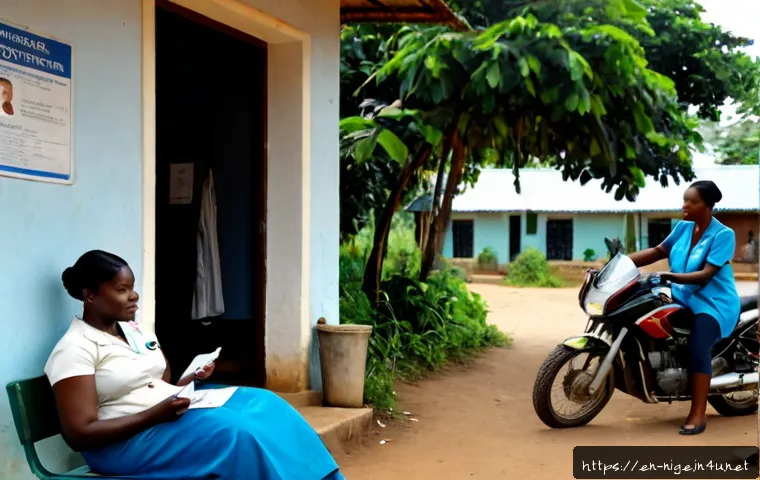
Private clinics can be practical when you need faster appointments, diagnostics, or a more predictable service process, while public facilities may suit lower-cost care if you can manage possible waits.
Health insurance, HMO networks, and telemedicine can reduce uncertainty, but you should confirm provider eligibility and payment rules before booking.
In Nigeria, the right choice depends on urgency, location, available specialists, and how much you can pay out of pocket. For emergencies, keep both 112 and the direct number of a nearby hospital or ambulance provider.
Do not assume that a hospital, medicine, test, or admission is covered until the provider and insurer confirm it.
At a Glance
- Private clinics may offer quicker scheduling, diagnostics, and clearer processes, but charges can vary widely.
- Public hospitals may be a lower-cost option, although waiting times and external purchases for tests or medicines can occur.
- Insurance and HMO plans can help with costs only when the provider network, benefits, authorisation, and limits are confirmed.
| Care option | Best suited to | Cost predictability | Key point to check |
|---|---|---|---|
| Public hospital | Lower-cost care and some hospital-based services | May vary during the visit | Waiting time, available specialists, tests, and medicine arrangements |
| Private clinic or hospital | Appointments, diagnostics, specialist access, and structured follow-up | Often easier to discuss in advance, but still variable | Consultation, test, medicine, admission, and procedure charges separately |
| HMO or private health insurance | Planned care through a provider network | Depends on benefits, limits, and approvals | Network eligibility and pre-authorisation requirements |
| Telemedicine service | Non-urgent questions, follow-up, and deciding where to seek care | Depends on the service and plan | Whether an in-person examination, test, or referral is still needed |
Start With the Right Care Setting for Your Needs
The quickest answer: emergency, routine, or specialist care
Start by deciding whether the situation may be urgent, routine, or likely to require a specialist. If symptoms seem serious or rapidly worsening, seek emergency help rather than waiting for a standard appointment. Nigeria’s national emergency number is commonly listed as 112, but routing and local response can vary, so keeping the direct number of a nearby hospital or ambulance provider is sensible.
For routine illness, a nearby clinic, hospital outpatient department, or telemedicine consultation may help you decide on the next step. If you already know you need a specialist, ask whether the provider has that specialty available on the day you need care and whether a referral is required.
When a private clinic may justify the higher cost
A private hospital or clinic can be a practical choice when appointment scheduling, diagnostics, specialist access, and service coordination matter most. This may be especially useful for visitors, expatriates, returning residents, and workers who need a clearer process and may be using employer health plans or private health insurance.
Do not treat “private” as a guarantee of clinical quality, insurance acceptance, medicine availability, or immediate admission. Ask what is available at that specific location before travelling there, particularly if you may need tests, imaging, a specialist, or overnight care.
When a public facility may be a practical option
Public facilities can be appropriate when keeping costs lower is the main concern or when a local facility is the most accessible option. However, waiting times and service availability can vary by city, department, specialty, and current demand. Patients may also be asked to obtain certain medicines or tests externally.
Before you go, ask whether the department you need is operating, whether a referral is expected, and what documents or payment arrangements apply. A lower initial consultation cost does not always show the full cost of tests, medicines, or follow-up care.
Compare Public Hospitals, Private Clinics, Telemedicine, and Pharmacies
Access, waiting time, diagnostics, and referrals
Lagos, Abuja, other major cities, and rural areas can have very different options for emergency access, ambulance coverage, specialist availability, and diagnostics. Choose based on what you need now, not only on the facility’s name or distance. A telemedicine provider may be useful for non-emergency guidance, but it cannot replace an in-person assessment when examination, testing, treatment, or urgent monitoring is needed.
If you are referred elsewhere, clarify whether the referral is for a doctor, laboratory, imaging centre, pharmacy, or admission. Ask who will receive the results and how you should arrange follow-up.
Cost predictability and payment expectations
Many providers request payment, insurance authorisation, or a deposit before non-emergency consultations, tests, procedures, or admission. This is why it helps to ask about the payment sequence before you book. A facility may quote for one part of care while other charges remain separate.
Use Nigerian naira for local budgeting, but avoid relying on a single informal cost estimate. Request an itemised explanation where possible, especially when tests, medicines, procedures, or hospital admission are being discussed.
What to confirm before choosing a provider
Confirm the provider’s location, available service, expected appointment process, payment method, and whether your insurance or HMO plan can be used there. For a pharmacy, use a licensed pharmacy or reputable facility, particularly for prescription medicine. Do not buy prescription medicines from unverified sellers simply because they appear cheaper or more convenient.
Understand Insurance, HMO Networks, and Out-of-Pocket Costs
Check network eligibility before making an appointment
Nigeria’s National Health Insurance Authority framework supports health insurance coverage, while employer-sponsored plans and private plans may use different provider networks and benefit limits. A card, membership number, travel policy, or employer plan does not automatically mean every hospital or service is covered.
Before your visit, ask both the insurer or HMO and the provider whether the location is in-network, whether your planned service is covered, and whether approval is required. For international or travel insurance, also check the insurer’s process for direct billing or reimbursement.
Ask for an estimate before tests, admission, or procedures
Ask for an estimate before agreeing to non-emergency tests, procedures, or admission when circumstances allow. The useful question is not only “What does it cost?” but also “What does this estimate include?” Request clarity on doctor review, laboratory work, imaging, medicines, supplies, bed charges, and any expected deposit.
Estimates can change if your care needs change. Still, asking early makes it easier to compare hospital options, private clinic processes, and health insurance benefits.

Separate consultation, laboratory, medicine, and hospital charges
Keep each part of the bill distinct: consultation, tests, medicines, procedures, and admission. This makes it easier to identify what an HMO or insurance plan may cover and what you may need to pay yourself. Keep receipts, treatment notes, prescriptions, and referral documents in case you need follow-up or reimbursement information later.
Prepare for a Clinic Visit and Avoid Common Problems
Documents and health information to bring
Bring identification, insurance or HMO details, a payment method, emergency contacts, and a short medical history. Include current conditions, allergies, past procedures, and a list of medicines you take. If you are travelling, keep these details on your phone and in a form that can be shown quickly if needed.
Confirm prescriptions, test instructions, and follow-up plans
Before leaving, confirm the medicine name, dosage instructions, test preparation instructions, and when or how results will be reviewed. Ask where to obtain prescribed medicine and whether the pharmacy is licensed. If follow-up is needed, confirm whether it should be with the same clinician, another department, or a specialist.
Avoid unverified medicine sellers and unclear payment requests
Use reputable facilities or registered pharmacies for prescription medicines. If a payment request is unclear, ask for an explanation of the charge before paying where possible. Keep documentation for deposits, laboratory fees, pharmacy purchases, and insurance authorisations rather than relying only on verbal assurances.
Choose a Safer Path for Emergencies, Chronic Care, and Family Needs
What to do if symptoms may be urgent
If symptoms may be urgent, do not wait for a routine telemedicine appointment or an insurance reply. Call 112 where appropriate, contact a nearby hospital directly, or use a local ambulance provider if available. Emergency response, bed space, specialist schedules, blood supply, and medicine stock can change, so direct confirmation matters.
Managing repeat prescriptions and long-term conditions
For chronic conditions, avoid waiting until your medicines are nearly finished. Plan refills, follow-up appointments, and prescription reviews in advance. Ask your usual provider or insurer which facilities are suitable for ongoing care, and confirm that the medicine you need can be obtained through a reputable pharmacy.
Planning maternity, pediatric, and specialist care in advance
Maternity, pediatric, and specialist care benefit from early planning. Compare location, available clinicians, referral pathways, diagnostics, admission arrangements, and insurance network status. Do not assume that a facility offering consultations also has every specialist, test, or emergency service available at all times.
Selection Criteria and Comparison Summary
Before booking or paying, use five checks: urgency, location, provider capability, insurance eligibility, and total expected cost. Ask whether the needed clinician and diagnostics are available, whether your HMO or private health insurance plan is accepted, whether authorisation is needed, and which charges are separate. If you are comparing telemedicine services, hospitals, or employer health plans, review the official provider network and benefit details on the relevant service page before making a decision.
Closing Thoughts
Accessing healthcare in Nigeria is easier when you separate urgent care from planned care and confirm practical details before you travel. Private clinics, public hospitals, telemedicine, and insurance networks can all have a role depending on your needs. Keep your medical information organised, use reputable pharmacies, and ask for clarity on costs and referrals. When the situation may be serious, seek prompt professional help rather than relying on general guidance.
Useful Information to Keep in Mind
1. Save 112 and the direct number of a nearby hospital or ambulance provider.
2. Carry your insurance, HMO, employer-plan, or travel-insurance details.
3. Keep a current list of medicines, allergies, and emergency contacts.
4. Ask whether tests, medicines, and admission are charged separately.
5. Purchase prescription medicines only from reputable facilities or registered pharmacies.
Important Limitations
Healthcare costs, insurance acceptance, provider capability, appointment availability, emergency response, bed space, medicine stock, and specialist schedules must be verified directly. This information is a planning guide, not a diagnosis, treatment recommendation, or guarantee of service availability. If symptoms may require urgent medical attention, contact an appropriate emergency or healthcare provider promptly.
Frequently Asked Questions
Q1. Is private healthcare in Nigeria better than public healthcare?
A1. Neither option is automatically better in every situation. Private facilities are often chosen for faster scheduling, diagnostics, and a more predictable process, while public facilities may offer lower-cost care. Compare the specific provider’s available services, waiting time, specialist access, payment requirements, and insurance acceptance.
Q2. How much should I budget for a doctor’s visit and medical tests in Nigeria?
A2. Exact costs vary widely by city, provider, specialty, tests, medicines, and whether admission is needed. Ask for an estimate before non-emergency care and separate consultation, laboratory, medicine, procedure, and admission charges. Confirm what your insurance or HMO plan covers before relying on it.
Q3. Can foreigners and expatriates use health insurance at Nigerian hospitals?
A3. They may be able to use local, employer-sponsored, international, or travel insurance depending on the plan and hospital. Check whether the facility is in the insurer’s provider network, whether direct billing is available, and whether authorisation or a deposit is required before your appointment or treatment.